Guest Speaker: Ryan Wiggins
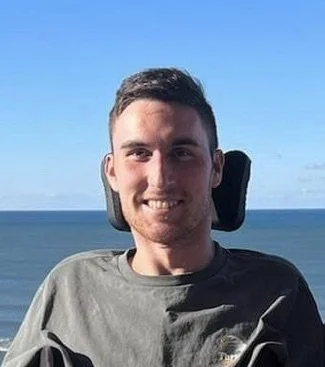
A C2 spinal fracture near the very top of Ryan’s spine, changed his life forever.
At 26, Ryan Wiggins thought he had everything figured out. A builder for 10 years. Playing football. Renovating a new home. Two new pug dogs. Recently engaged. Life wasn't perfect, but it was on track. He packed his bag, drove to footy like any other day, played, and stayed around after with mates. Nothing unusual. And then, two hours later, everything changed.
Ryan tells his story openly; raw, honest, and at times difficult to relive. On July 4, 2021, after a game, he dived into a pool without knowing it was only a metre deep. He hit his head instantly. He remembers screaming: "I can't move... I need help." What followed is something most people will never experience and never want to.
The hospital became his reality. Emergency surgery. Eight hours operating on the back of his spine. Six hours on the front. Placed into an induced coma. His parents were called in; not to visit, but to potentially say goodbye. At that stage, doctors didn't know if he would make it.
When he woke up, he had no real understanding of what had happened. He saw his mum and held onto the small reassurance she gave him: "It's all good." But it wasn't. Doctors told him he had sustained a C2 spinal fracture; an injury near the very top of the spine, and that his life moving forward would look completely different. He wouldn't move again. He wouldn't play football again. Things he had never once thought twice about were suddenly gone.
Those early months were defined by survival. Two weeks in a coma. Seven months in hospital. Followed by rehabilitation. During COVID restrictions, he could only see one person a day, for two hours. That person was his mum. That two-hour window became everything. They developed their own form of communication; basic sign language just to get through conversations. He couldn't speak properly. He didn't have his phone. But he had those moments. And he held onto them.
There is a part of Ryan's story that feels uncomfortable, and it should. Because it's real. He spoke about moments where he told his mum to turn off his life support. Moments where he questioned why it happened to him. Moments where he didn't want to continue. And that's important to acknowledge. Because resilience doesn't start with strength. It often starts in the opposite place.
For months, he listened to what he was told. "You won't be able to do this." "You won't be able to do that." "Life will be like this forever." And eventually, that took its toll.
Then something shifted. Around eight months in, he had what he described as a "lightbulb moment". "I can still laugh. I can still talk. I can still be Ryan." That realisation didn't fix everything. But it changed direction.
From that point, he made a decision. If this is my life, I'm going to do something with it.
Rehabilitation became his focus. Not for weeks. Not for months. For years. He still does physio every single day. Five years later. Despite minimal physical change. Still hoping. Still pushing. Still believing that one day, things may improve. That belief isn't blind. It's intentional.
What stood out most wasn't just the work. It was the persistence, even when results weren't immediate. Because in most environments, effort is tied to outcome. In Ryan's case, effort exists despite it.
Over time, his perspective began to change. He spoke about something simple, but powerful. "Movement is a privilege." Things most people never think about: walking your dog, kicking a football, even wiping your forehead. They became things he now appreciates deeply. Because they're no longer guaranteed.
There's a line he shared that captures this perfectly: "You're more grateful for things when they're gone."
His support system played a critical role. His family gave him belief when he struggled to find it himself. His mates sent videos. The Tasmanian community rallied around him. And people continued to show up. One of those people was Jack Riewoldt. For years, Jack checked in with him regularly; not just once, but consistently. Over time, those conversations shifted from support conversations to simply being mates. But the impact remained.
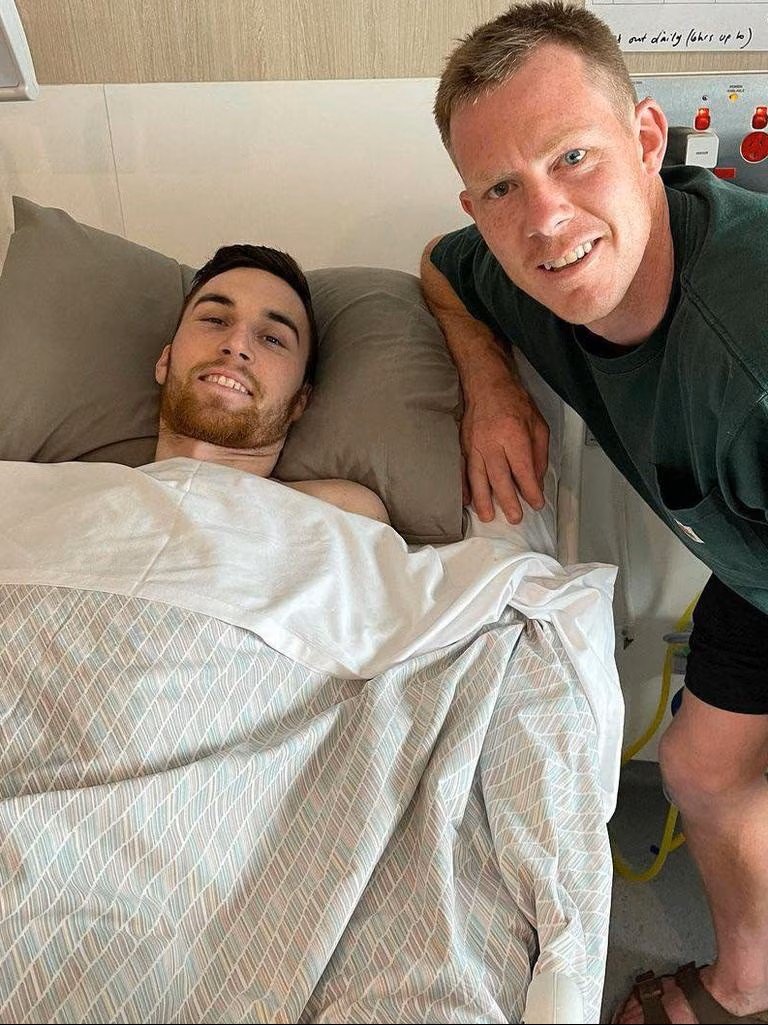
Ryan spoke about how Jack Riewoldt has had a significant impact on his life.
Ryan's story doesn't stop at recovery. It evolves into something bigger.
He now works with the Tasmania Devils in a role focused on people, culture, and wellbeing. A role he never imagined he would have. And yet one he takes pride in every day. To stand up and walk us through the room, he asked everyone to stand, highlighting that in a few seconds, we had achieved something that is now one of his life goals. That moment was powerful. Because it made everyone in the room realise something: What is normal for one person is everything for another.
Ryan now uses technology like eye gaze systems to work; controlling a computer with his eyes, typing through voice, adapting to a completely different way of living. Not stopping. Just adjusting.
He has also become an advocate; helping others who have experienced similar injuries, raising awareness, and creating opportunities for people to get the most out of life. His vision includes building rehabilitation opportunities in Tasmania so others can access support locally.
His biggest driver now is his son. A 19-month-old who gives him purpose beyond himself. He spoke about wanting to give his son something to be proud of. Something to aspire to.
This is what keeps him going.
He also speaks honestly about responsibility. About risk-taking. About culture. About knowing when enough is enough. His advice is simple, but grounded in lived experience: Plan ahead. Listen to your mates. Know when to stop. Because sometimes the decision that feels insignificant at the time changes everything.
Ryan Wiggins' story is not just about resilience. It's about perspective. It's about understanding how quickly life can change, and how important it is to appreciate what you have while you have it.
Because in his words: He won't let this define him. He's just still finding ways to be Ryan.
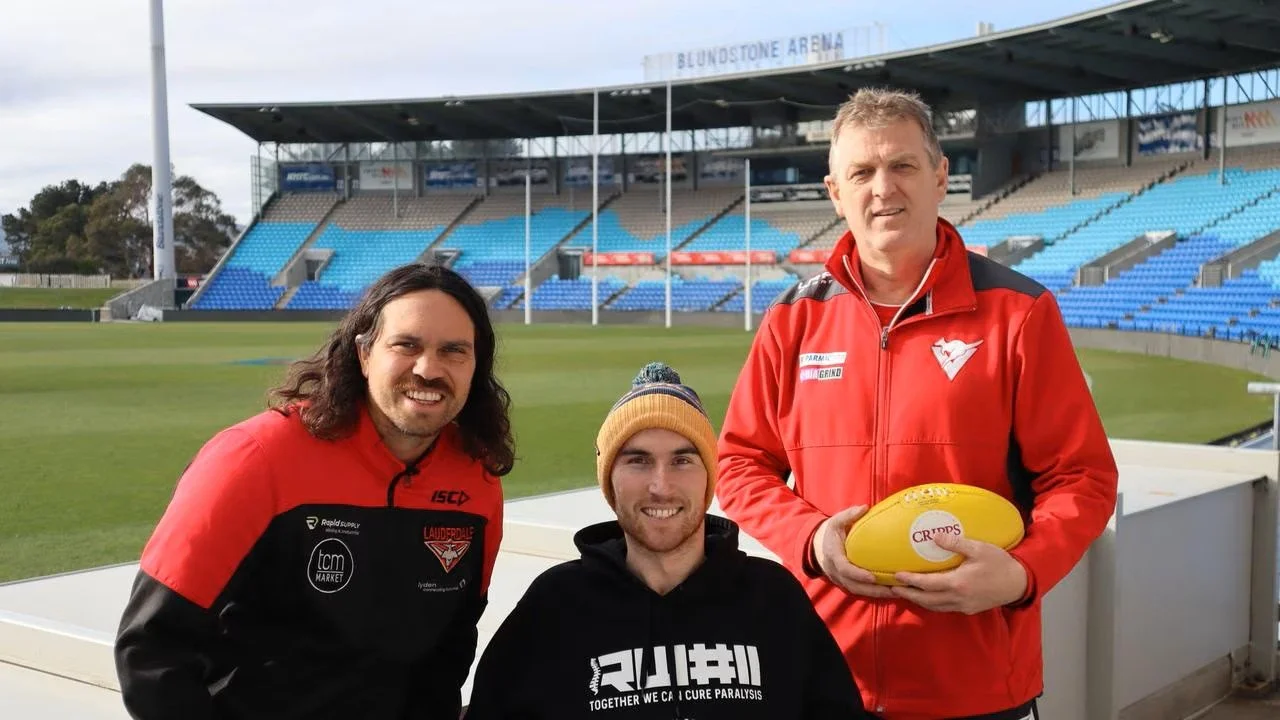
Ryan Wiggins now works for the Tasmania Football Club (Devils) in a role focused on people, wellbeing, and culture.