Guest Speaker: Penny Shearer
By Alex Wilson
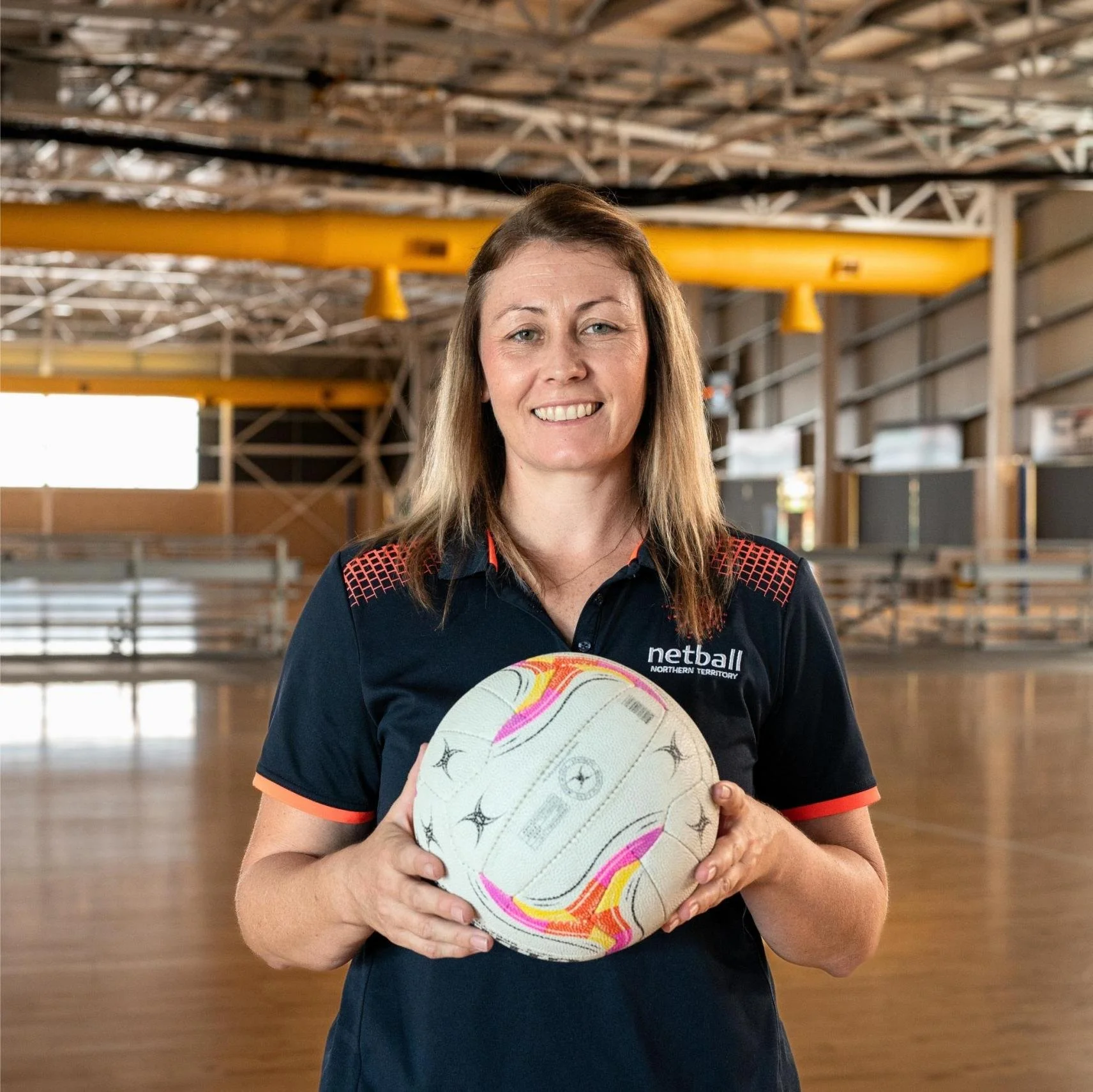
Penny Shearer joined Netball Northern Territory as the Pathways Manager in September 2017 and was appointed as the Executive Officer in June 2022.
Leadership isn't something you arrive at. It's something you continually work through. And sometimes, the most important part of that journey isn't learning how to lead; it's learning how to unlearn what you thought leadership was supposed to look like in the first place.
Recently at the Tasmania Academy of Leadership and Sport (TALS), the students had the opportunity to hear from Penny Shearer, CEO of Netball Tasmania.
What stood out wasn't just her experience across coaching, high performance, and leadership roles. It was how openly she spoke about the process of finding her own leadership identity, and the willingness to confront what wasn't working along the way.
Early in her journey, Penny approached leadership the way many people do. She observed others. She identified leaders she respected. And she modelled herself on what she saw. Professional demeanour. Composed presence. Controlled communication. On the surface, it made sense. If someone else was successful leading that way, then replicating that approach felt like the logical path forward.
But over time, something wasn't quite connecting. Not in performance. But in how people experienced her.
The shift came through a formal leadership program she completed while working in the Northern Territory. It wasn't just theoretical. It involved deep reflection, exposure to high-level thinking, and one key element that many leaders avoid; honest feedback.
As part of the process, Penny completed a 360-degree leadership assessment. She gathered feedback from: athletes she coached, colleagues she worked alongside, and stakeholders across her environment. She then compared those results against her own perception of herself.
The gap was clear. Her intent didn't always match how she was being perceived.
One piece of feedback in particular changed everything. She learned that her composed, "unphased" demeanour, the one she had intentionally created, was actually being interpreted as unapproachable.
That's a confronting realisation. Because it means something you've worked hard to build is having the opposite effect to what you intended.
That moment forced a reset.
Instead of asking: "What does a good leader look like?" She started asking: "How do I want to show up?" "What do I want people to feel?" "Am I actually being myself?"
Because leadership isn't just about delivering outcomes. It's about how people experience you in the process.
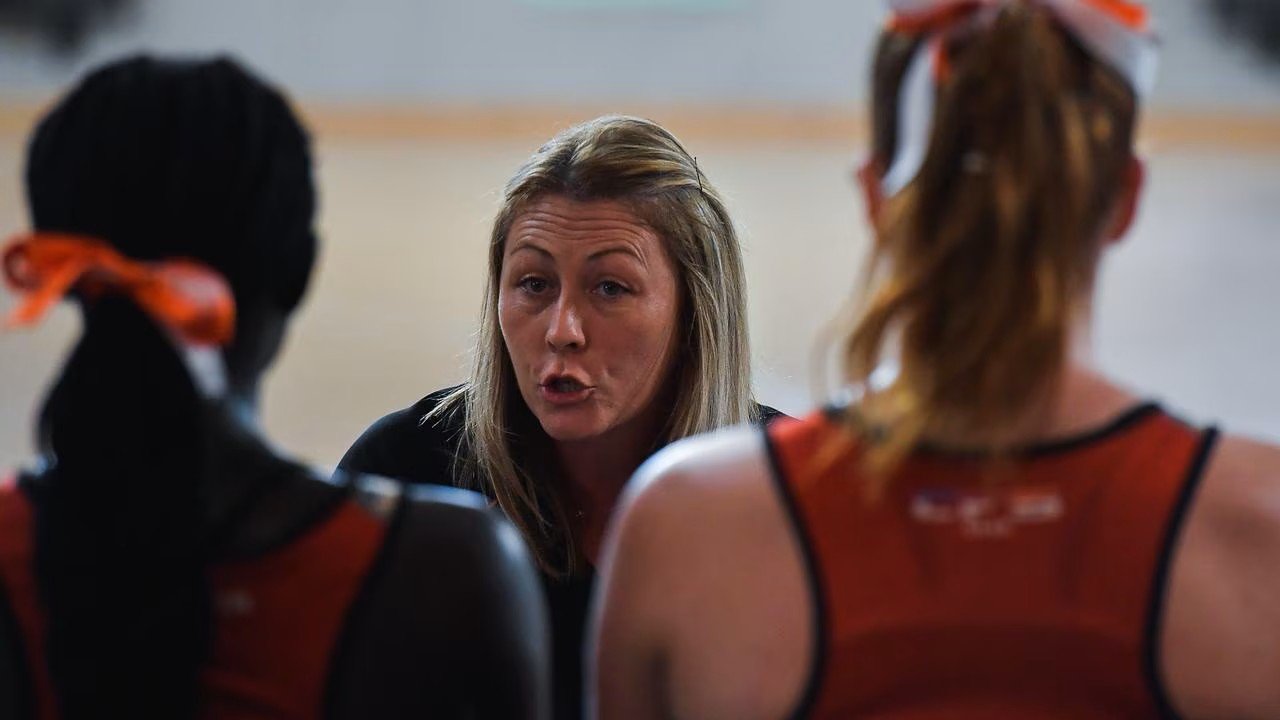
Penny Shearer during the 2023 National Netball Championships in Darwin.
For Penny, that meant moving away from trying to replicate someone else, and towards becoming more genuine. More approachable. More balanced. More human.
It meant being able to bring both sides of leadership together: The ability to be serious and drive outcomes while also building trust, connection, and relationships.
What her experience highlights is something often overlooked. Self-awareness isn't a soft skill. It's a leadership necessity.
Understanding how you are perceived, how your behaviour impacts others, and where you need to adjust is what allows leaders to grow.
It's not always comfortable. In fact, it rarely is. But it's essential.
And importantly, it's ongoing.
Penny spoke about how she continually revisits this process. Asking "What do I need to improve next?" "Where do I need to be better?"
Because leadership isn't fixed. It evolves.
Another key shift she described was around confidence. Not confidence in what she was doing, but confidence in contributing.
Particularly in environments where she didn't feel fully comfortable or fully confident.
Her realisation was simple: If you stay passive, you miss out.
So she made a conscious decision to change that. To engage. To contribute. To step forward, even when it felt uncomfortable.
Because leadership doesn't come from observing. It comes from participating.
One of the most practical insights Penny shared came through how she now approaches working relationships.
Leadership, in her words, isn't about forcing alignment. It's about understanding people.
She spoke about the importance of recognising the difference between trust and agreement. Not everyone will agree with you. And that's a good thing.
Because without differing perspectives, you don't get honest conversations. And without honest conversations, you don't grow.
The focus instead becomes: Do people trust you? And what do you need to do to build or strengthen that?
Through her experience, she has deliberately worked to move people forward; building relationships, breaking down barriers, and creating an environment where people feel valued.
That doesn't happen overnight. It takes time. It takes intention. And it takes consistency.
A powerful part of Penny's reflection centred on purpose. Not as something you choose. But as something you uncover.
Through reflection, she identified the common threads that have shaped her journey: Resilience. Overcoming challenges. Finding a way, even when things seem difficult.
Much of that came from observing her mum and sister; both people who had experienced adversity and continued to push forward.
That shaped her perspective in a simple but powerful way: Where there is a will, there is a way. And that belief now underpins how she makes decisions.
One of the most impactful parts of her story came through an experience outside of netball; in powerlifting.
She described a competition where everything went wrong. Missed lifts. Expectation pressure. Emotional frustration. A day that, by all measures, was a failure.
And in that moment, the response could have been to walk away.
Instead, she returned. With a new approach. A new support system. And a shift in focus.
From outcome to process.
That change ultimately led to competing again at a much higher level. But the real lesson wasn't the medal. It was the understanding that one bad day does not define you.
Today, as CEO of Netball Tasmania, Penny operates in a space that requires constant balance. Balancing community sport and high performance, stakeholder expectations, growth and sustainability, and collaboration and competition.
It's complex. And it requires more than technical skill. It requires leadership that is self-aware, adaptable, and people focused.
Her journey also reflects the personal side of leadership. Moving to a new state. Building new networks. Balancing career and family.
And recognising that success isn't defined by role alone. But by impact.
She spoke about what matters most to her: Making a difference. Helping others grow. And being remembered for how she made people feel.
Penny Shearer's story is a reminder that leadership isn't about having all the answers. It's about being willing to ask better questions.
To reflect. To adjust. To listen.
And most importantly, to be yourself.
Because the most effective leaders aren't the ones who perfectly replicate what they've seen. They're the ones who understand who they are, and lead from that place consistently.
And that is something Penny continues to work on every day.
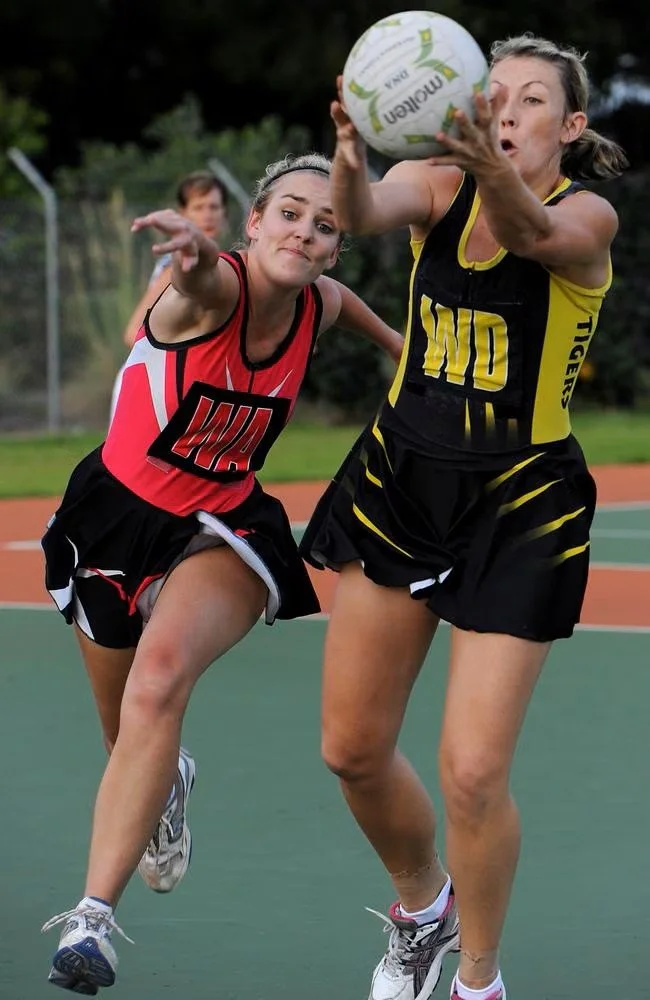
Penny Shearer has made a significant contribution to Netball over the years and now works as the CEO of Netball Tasmania.