Guest Speaker: Dominic Baker
By Alex Wilson
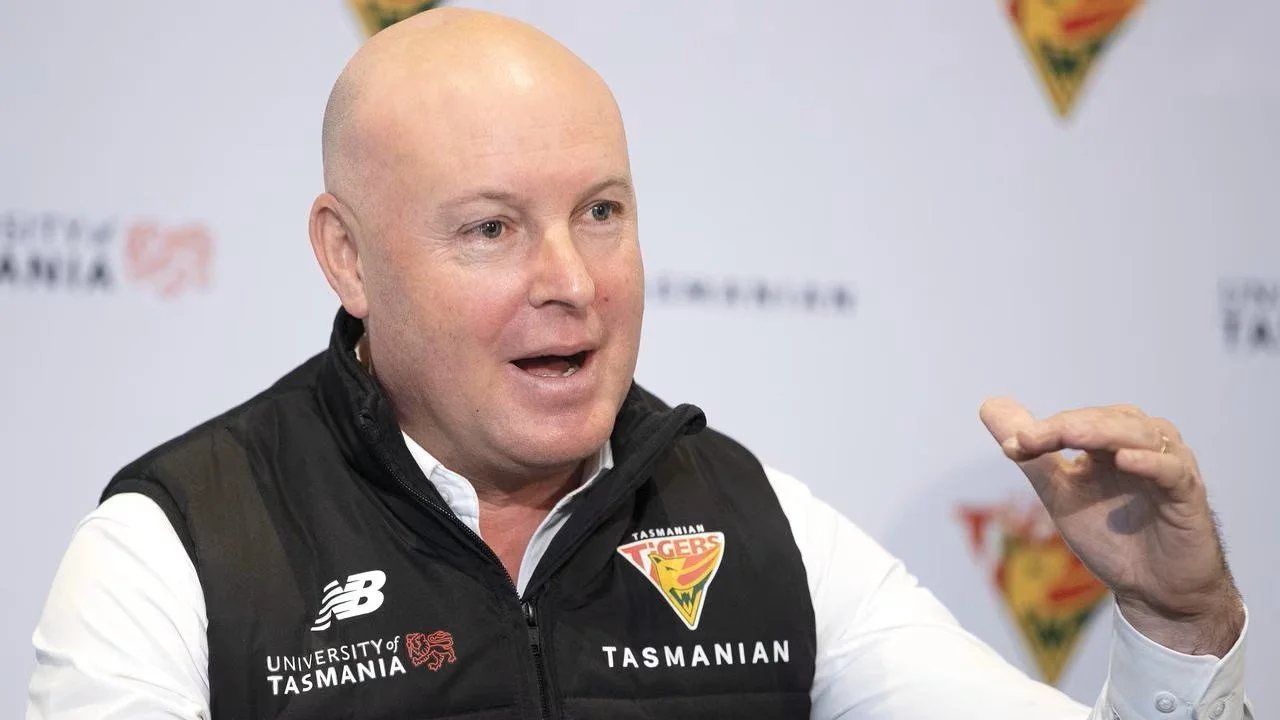
Dominic Baker is currently working as the CEO of Cricket Tasmania.
There is a common assumption that careers in sport follow a clear path. Study the right course. Play or work in the industry early. Spend years building your way up through the system. But when you listen to Dominic Baker's story, it becomes clear that leadership in sport doesn't always come from a linear path. Sometimes it comes from building capability across completely different environments and having the courage to step into something new.
Recently, the Tasmania Academy of Leadership and Sport students had the opportunity to hear from Dominic, Chief Executive Officer of Cricket Tasmania, and what stood out to the students was not just where he's ended up, but how intentionally he approached every stage of his journey.
Dominic's career didn't begin with certainty. After finishing school at 17, he didn't know exactly what he wanted to do. Like many at that stage, the choice was simple; go to university or get a job. He chose the job. Starting as a reservations clerk with Australian Airlines, he entered what he describes as a "people business". And that matters. Because early exposure to working directly with people shaped how he began to understand his strengths.
It wasn't about technical expertise. It was about interaction. Building relationships. Understanding people. Communicating effectively. Those early experiences became the foundation for everything that followed.
Over the next few years, his career moved across industries. Travel. Sport. Hospitality. Corporate environments. Each move didn't come from a rigid plan. It came from recognising opportunities and being willing to take them.
He spent time in environments that didn't suit him. Businesses that were highly disciplined, structured, and not aligned with his natural style. At the time, he didn't enjoy it. But looking back, he recognises the value.
Because even environments that don't fit you perfectly can teach you something. In his case, it was discipline. That discipline later became a differentiator when he moved into new opportunities.
At 29, he stepped into a major leadership role at Cascade Brewery. A significant responsibility. In an industry where passion, pride, and identity were deeply embedded. It was a steep learning curve. And importantly, it was one of the first environments where he received direct feedback on his leadership. Clear, honest feedback around what he needed to improve.
That experience stayed with him. Because feedback, especially early, accelerates growth. It also reinforced something that becomes a recurring theme in his story: You don't need to have all the answers before taking the opportunity. You need to back your ability to learn.
Another consistency in Dominic's journey is his willingness to keep moving. Every role has a lifecycle. And when he felt that he had reached the end of what he could learn or contribute, he made the decision to step into something new.
That took him into hospitality. Into large-scale operations. Into leadership environments where the stakes were high and the pace was relentless. Running major establishments like Wrest Point and Country Club, he was responsible for thousands of employees, many of them young, early in their careers, and still developing.
He described it simply: "You learn quickly." And in those environments, he did.
His move into sport didn't come directly from playing or coaching. It came through experience, governance, and leadership. Having previously served as Chairman of AFL Tasmania, he already understood the sport system from a different perspective. But working inside sport is different to working around it.
In December 2019, he stepped into the role as CEO of Cricket Tasmania. And almost immediately, faced one of the biggest challenges imaginable. COVID.
At that point, the strategy wasn't about growth. It was about survival. Navigating uncertainty. Understanding the industry in real time. Making decisions without perfect information.
And in that period, he learnt something important. Why people choose sport. Because sport isn't just an industry. It's driven by something deeper. Passion. "If you could bottle the passion of people in sport," he said, "you would have a great organisation anywhere." That insight becomes central to how he views leadership today.
One of the strongest themes he spoke about was belonging. Creating an environment where people feel part of something bigger. Where players, staff, and the wider organisation all feel connected to the same purpose.
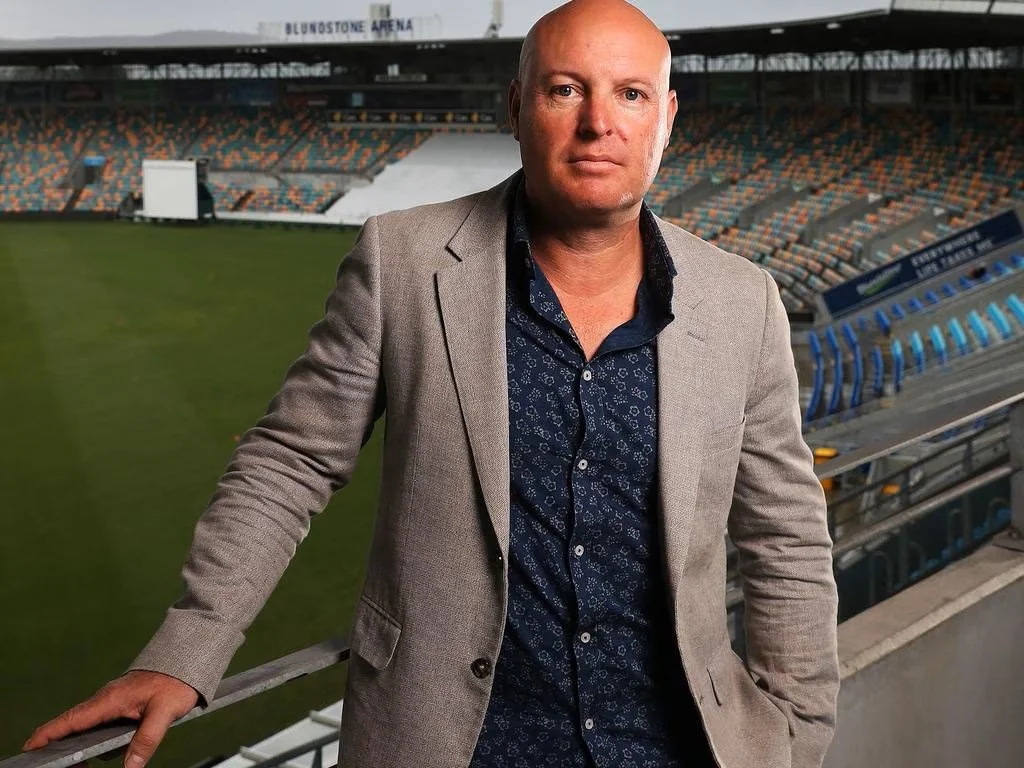
Dominic Baker believes it is essential for people to be proud of the organisation they are a part of in order for them to thrive.
He refers to it as "pride in the tribe". Wearing the kit. Representing the organisation. Being proud of what you're part of. Because when people feel that sense of belonging, they give more. They go further. They invest emotionally. And that's what drives high performance.
One of the most important lessons in his journey came early. When he attempted to replicate his boss's leadership style. The feedback was direct: "You're not leading authentically." That moment matters. Because it forced him to confront something many leaders experience but don't always recognise. You can't lead effectively by trying to be someone else.
From that point on, his focus shifted. Understanding what makes him tick. Leading in a way that aligns with his values. Trusting his own approach. Because authenticity builds trust. And trust underpins everything else.
As CEO, he describes his role across three core areas:
Leading People
He leads a team of subject matter experts. People who are specialists in their areas. His role isn't to do their job. It's to challenge them, support them, and create an environment where they can succeed.
2. Managing Stakeholders
Sport requires relationships. Government. Sponsors. Community. Without strong relationships, the system doesn't work. And when things go wrong, the responsibility often sits with leadership.
3. Working with the Board
Ensuring: strategy is clear, direction is aligned, and accountability is maintained. And being able to measure whether things are working. Because intent is not enough. Execution matters.
One of the most consistent messages he shared was around risk. "People don't grow without taking risks. Businesses don't grow without risk." But he's clear on one thing. It's not reckless risk. It's calculated risk. Understanding: the opportunity, the downside, and the environment. And creating a culture where people feel safe to take those risks. Because if people are afraid to fail, they won't try. And if they don't try, they won't grow.
Another key insight was around sustainability. In leadership roles, particularly in sport, demands never stop. Games. Events. Decisions. You can work every day if you allow it. That's why he focuses on managing energy. Not just time. Sleep. Hydration. Exercise. And being comfortable taking rest when needed. Because without that balance, burnout becomes inevitable.
Today, Cricket Tasmania is not just focused on performance. It's focused on growth. Developing pathways. Building infrastructure. Supporting women and girls in sport. Creating opportunities for people to enter and stay in the game. Because sport isn't just about elite performance. It's about participation. And making it accessible.
Dominic Baker's journey doesn't follow a single path. It moves across industries. Across roles. Across different versions of leadership. But there are consistent themes throughout it: back your ability to learn, take calculated risks, lead authentically, build environments where people belong, and never stop working on your craft.
Because leadership isn't about arriving at a final destination. It's about continuing to evolve. And being willing to take the next step, even when the path isn't completely clear.

Dominic Baker has had an incredible journey so far. He has been a part of various different organisations and industries.