Guest Speaker: Alan Latu
By Alex Wilson
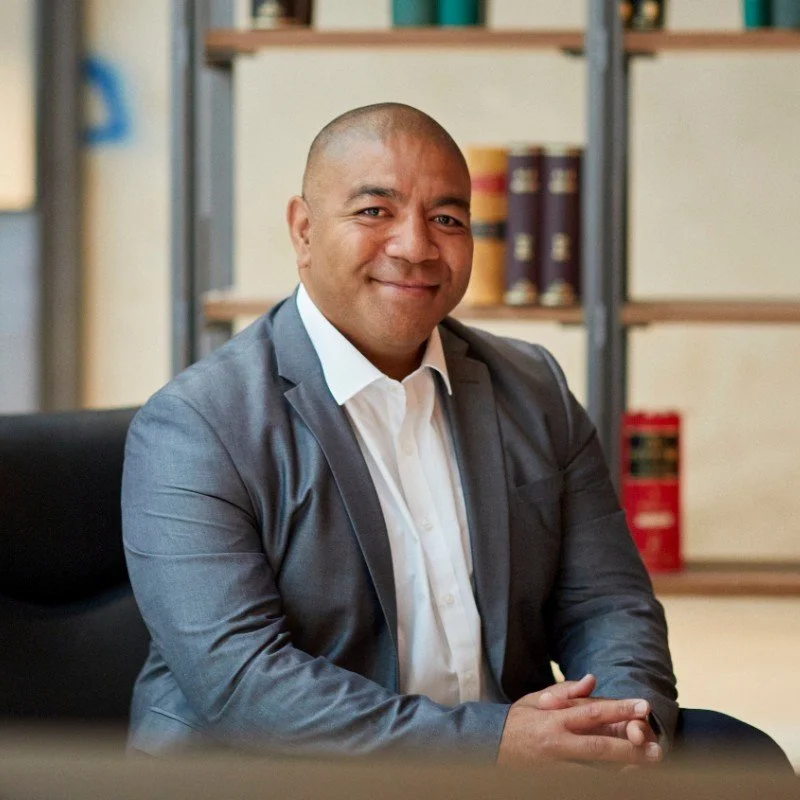
Alan Latu has a career spanning over two decades in security and emergency management. He has been involved in various roles, including as a bouncer, facilitator, and public speaker.
Leadership is often viewed as something that starts with other people. How you lead a team. How you communicate. How you influence others.
But after hearing Alan Latu speak recently, it became clear to the students at the Tasmania Academy of Leadership and Sport that leadership starts somewhere else entirely. It starts with yourself.
Throughout his session, Alan continually returned to the idea that before we can lead others, perform at our best or achieve our goals, we need to understand what is happening internally. The way we think influences the way we feel, and the way we feel ultimately shapes the actions we take.
His message was simple. Deal with your thoughts first. Then your feelings. Then your actions. Because if we don't manage what is happening internally, it becomes much harder to perform effectively externally. That idea might sound obvious, but it explains why two people can face exactly the same challenge and respond completely differently. One person sees opportunity. The other sees risk. One leans in. The other pulls back. The difference often begins with the story they are telling themselves.
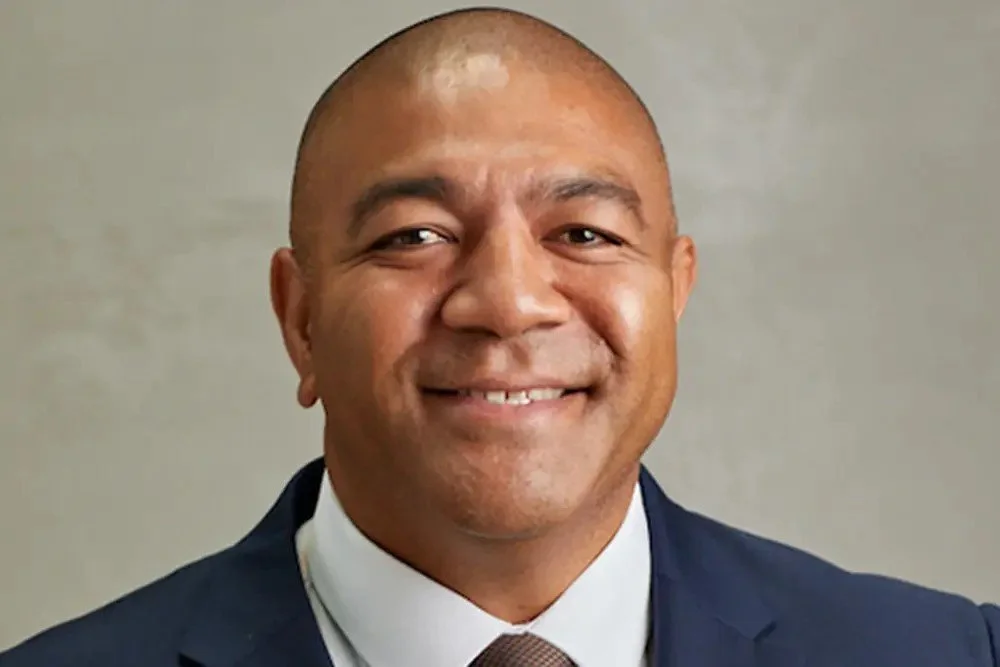
Alan’s work has focused on educating young people about the dangers of social violence and promoting positive outcomes through community engagement.
One of the most interesting points Alan made was around emotions. Too often people view emotions such as fear, stress or anger as things that should not exist. They convince themselves that being successful means never feeling nervous, never doubting themselves and never experiencing frustration.
Alan challenged that thinking. Fear is normal. Stress is normal. Anger is normal. The problem is not the emotion itself. The problem comes when those emotions begin controlling behaviour, decision-making and performance. As humans, we are built with emotions. We cannot eliminate them. What we can do is learn to understand them.
That distinction matters because many people spend enormous amounts of energy fighting emotions instead of understanding what those emotions are trying to tell them. The best performers aren't emotionless. The best performers understand themselves.
This understanding becomes especially important when pressure increases. Whether in sport, business, study or life, pressure has a way of exposing habits. When stress rises, most people don't suddenly become someone different. They become more of who they already are. If panic becomes the response, panic spreads. As Alan put it: "Panic creates panic."

Alan Latu is also a director of rugby and has played a significant role in the development of rugby in Victoria.
Anyone who has been part of a team has seen this happen. One person's anxiety affects another. One leader's frustration spreads throughout a group. One negative mindset begins influencing the environment around it. But the opposite is true as well. Calm creates calm. Confidence creates confidence. Belief creates belief. The emotional state of a leader often becomes the emotional state of the team.
A recurring theme throughout the session was belief. Not motivation. Not talent. Belief. According to Alan, many people become trapped between fear and doubt before ever giving themselves an opportunity to succeed. They decide they aren't ready. They decide they don't have enough experience. They decide someone else is better qualified. They decide failure is too likely. And in doing so, they never take the action required to discover what they are capable of.
Alan described belief as an action rather than simply a feeling. That idea stood out. Because we often think belief is something we either have or don't have. Alan suggested something different. Belief is something we choose. It is something we practice. It is something we build.
He illustrated this through a simple example. Imagine asking someone what they want to achieve. Perhaps they want to become a CEO. Perhaps they want to start a business. Perhaps they want to play elite sport. If they genuinely believe it is possible, their body language changes. Their posture changes. Their tone of voice changes. Their energy changes.
Other people can see it. Not because they have already achieved it. But because they believe they can. And that belief influences how they show up every day. "If you don't believe it, no one else will." It was one of the simplest yet most powerful lessons from the session.
That doesn't mean confidence arrives first. One of Alan's strongest messages was that confidence is built through action. Too many people wait until they feel confident before they begin. The problem is confidence rarely works that way. Instead, confidence is often the result of repeatedly taking action despite uncertainty.
He outlined three steps: Set your goal. Lean into the fear by doing. Reframe your thoughts. Simple. Not easy. But simple. The fear may never disappear. The goal isn't to eliminate fear. The goal is to stop allowing fear to make decisions on your behalf.
This naturally led into a broader discussion around leadership. When the room was asked to think about the best leader they had ever experienced, a common theme emerged. Most people described someone who believed in them. Not necessarily the smartest leader. Not necessarily the most experienced. Not necessarily the loudest voice in the room. Someone who believed in them.
That observation reveals something important. People remember how leaders make them feel. They remember who supported them. They remember who backed them when they doubted themselves. And they remember who helped them see potential they couldn't yet see themselves. The best leaders create belief. Not only in themselves. But in other people.
Yet Alan was careful to point out that leadership still begins with self-leadership. Before you can inspire belief in others, you need belief in yourself. Before you can create calm in others, you need calm within yourself. Before you can build confidence in a team, you need confidence in your own decision-making.
Leadership may be about others. But it starts with you. That idea sits at the centre of almost every great leader. They understand that who they are influences everyone around them. Their behaviours become examples. Their standards become expectations. Their mindset becomes culture.
Alan also shared a practical framework for performance through what he called the Four P's: People. Plan. Prepare. Practice. Great performance starts with people. Acknowledge them. Value them. Connect with them. Then comes the plan. A clear direction that is understood and communicated. Then preparation. Making sure individuals and teams are ready when opportunities arrive. Finally, practice. The consistent action that turns intentions into results. What makes the framework effective is its simplicity. Many people overcomplicate performance. Often, success comes back to doing the basics exceptionally well. Again and again.
Another major topic was connection. Alan repeatedly spoke about the importance of creating environments where people feel connected. Connection drives trust. Trust drives confidence. Confidence improves performance. Whether in workplaces, sporting clubs, schools or families, people tend to perform best when they feel connected to those around them.
This is why leadership and performance can never be separated from relationships. People perform for people. Teams succeed because of people. Cultures are built by people. And strong relationships create the foundation for all of it.
Perhaps the most powerful part of the session was that Alan's lessons extended far beyond leadership roles or sporting environments. His message was relevant whether someone wanted to lead a company, captain a team, complete a degree or simply become a better version of themselves.
Success often begins with a choice. A choice to believe. A choice to act. A choice to manage thoughts rather than being controlled by them. A choice to lean into fear instead of avoiding it.
Because fear and doubt will always exist. The question is whether we allow them to write the story. Or whether belief does.
And that may have been Alan Latu's biggest lesson of all. Leadership is about others. But it starts with you.