Guest Speaker: Michael Thorn
By Alex Wilson
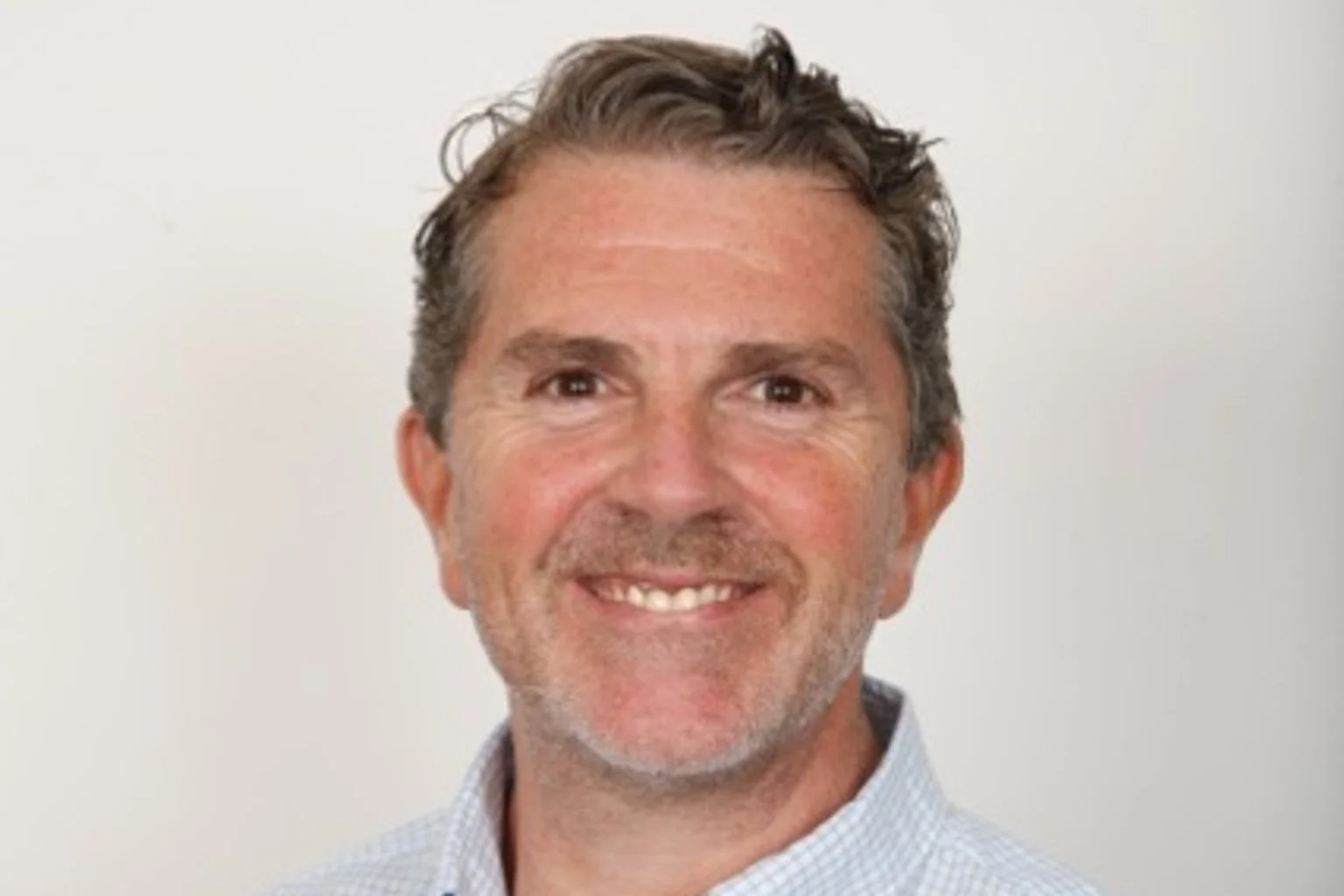
Michael Thorn was recently appointed as the Devils’ General Manager of Infrastructure and Commercial Development.
Students at the Tasmania Academy of Leadership and Sport (TALS) recently had the opportunity to hear from Michael Thorn, whose session offered incredible insight into a part of the AFL industry that most of the students knew very little about. Michael Thorn arrived in Hobart in November, new to the city and genuinely excited to be here. After eight years working at the AFL, he chose to come to Tasmania not just to work for a club, but to help build this club. Listening to him speak made it clear to the students that while on-field success captures attention, it's the work done behind the scenes that makes everything else possible.
Michael described himself simply through his background. For eight years at the AFL, he worked as the lead of procurement and head of logistics. In practical terms, that meant being responsible for moving people around the country; AFL and AFLW teams, flights, hotels, transport, and everything that needs to happen seamlessly for a competition to run. It's work most fans never see, but without it, nothing functions.
One of the biggest challenges of his career was Gather Round. Sixteen teams arriving into Adelaide at the same time raised immediate questions: where do they stay, how do they travel, and how do you make it all work without disrupting preparation? But even that was surpassed by COVID. For two years, Michael worked in a locked-down environment, dealing with constant uncertainty while the competition continued. Every day involved waiting for things to change, then responding quickly when they did. He spoke about how lateral thinking and problem-solving weren't optional, they were essential.
That experience shaped how he approaches his current role at the Tasmania Devils. As General Manager of Infrastructure and Commercial Development, his work now relies heavily on managing people, relationships, and trust. He is responsible for building the Devils' home; a 9,000 square-metre training and administration facility that will lay the foundation for the club's future. The goal is simple but demanding: create an environment that gives the club every opportunity for on-field success, with no excuses.
Michael explained that in the AFL industry, everything must be built to AFL standard. Training ovals have specific dimensions, grass types, drainage systems, and surface requirements. Teams deliberately train on different sized grounds to prepare for finals played across the country. If you want to compete at the highest level, you must be ready for every condition. Infrastructure, in that sense, is not just concrete and grass; it's preparation.
He spoke about how Tasmania's journey is different to that of the Suns and Giants. The Devils are entering the competition with both men's and women's programs from the outset. Getting that right matters. The club is one organisation with two elite programs, and integration isn't optional. The facilities, systems, and culture must support both equally from day one.
Michael also reflected on how much harder it once was for Tasmanians to reach the pinnacle of football. The Devils don't just create pathways for players, but also for people who want to work in the sport off the field. That opportunity is something he is clearly proud of.
A major theme of his talk was negotiation. Michael was clear that negotiation isn't just a professional skill; it's part of everyday life. You negotiate constantly, whether you realise it or not. In his role, negotiating is unavoidable. He stressed the importance of preparation: knowing what you want, what the other party wants, and where flexibility exists. Is it price, service, or a balance of both? Where is the leverage? Time, for example, can be a powerful factor.
He spoke about the importance of rapport and trust in negotiation. Hostility doesn't lead to long-term success. Many of the services he negotiates last years, not weeks, so relationships matter. His goal is always to create a win-win environment where both sides feel respected and secure. He summed it up simply: don't screw people over, and hopefully they won't screw you.
One piece of advice that stood out was not being afraid to ask. If you think there's a bit more available, ask for it. The worst answer you can get is no. He also spoke about the advantage of working in sport. The Devils are a high-profile brand, and people want to be associated with sport. That brand carries value, and it's something you should use wisely.
Michael didn't shy away from the challenges of his current role. Keeping everyone happy is almost impossible. The Devils' infrastructure projects affect residents, traffic, walking tracks, and local communities. Around 100,000 tonnes of soil need to be moved. Construction will last two years. Not everyone will be comfortable with that, and frustration is inevitable. His approach is communication. Don't avoid difficult conversations. Don't lie to people. Build trust by being honest about what you can and can't control.
The timelines are unforgiving. Round 1, 2028 does not move. The team arrives in October 2027 and must have somewhere to train. An oval must be ready. Contingency plans must exist for everything else. Rain, weather, and external factors can't be controlled, but preparation can.
He also emphasised that Tasmania is one club for the whole state. Work being done at UTAS Stadium in Launceston is extraordinary, and the Devils are committed to continuing to play football in the north. This year includes VFL and VFLW games in Launceston. The north of the state will not be forgotten as the club grows.
Michael shared one of the toughest negotiations of his career: the AFL's major airline partnership with Virgin. It was highly competitive, with multiple airlines involved. Creating competitive tension was critical. The outcome was a long-term agreement that reduced travel costs for clubs. He described it as one of the most impactful deals he's worked on, and a reminder of the responsibility that comes with his role. If he gets it wrong, clubs suffer.
He clearly thrives in high-pressure environments. Logistics, he said, requires having your phone on you at all times. Problems happen in real time. One example he shared was a Giants Hawks game in Launceston when fog closed the airport and no hotels were available. The solution involved bussing teams to Hobart and flying them out from there instead. It wasn't ideal, but it worked. Finding solutions is part of the job.
Beyond football, Michael spoke about the Make a Difference Foundation, which he co-founded 25 years ago. What started as an idea between two fortunate people wanting to give back raised $30,000 in its first year. Last year, it raised $350,000 to support disadvantaged young people. He believes deeply that everyone has a responsibility to help those less fortunate, and that the more you invest in helping others, the more you see the benefit in your own life.
What stood out most was his motivation for joining the Devils. He didn't want to work for just any club. He wanted to work for this one. The opportunity to help build something from the ground up, and to have a direct impact on what the club becomes, is what drives him.
Listening to Michael Thorn reminded the students that success in sport is built long before the first bounce. It's built through trust, preparation, relationships, and people who are willing to take responsibility when things go wrong. Infrastructure might not grab headlines, but without it, nothing else stands.