Guest Speaker: Jude Coleman, Andrew Gale, and Jeff Vaughan
By Alex Wilson
High performance environments are often misunderstood. From the outside, they appear intense. Outcome-driven. Defined by winning and little else. But when you step inside those environments, and listen to the people responsible for building them, the story is very different.
Recently, the TALS cohort had the opportunity to hear from Jude Coleman, Andrew Gale, and Jeff Vaughan. Three highly experienced coaches. Three different journeys. Three perspectives shaped by years in elite sport. And yet, what stood out to the students wasn't what made them different. It was what made them aligned. Not tactics. Not selection. Not even strategy. People.
Jude Coleman's approach starts with a principle that underpins everything she does: Create an environment where players can be themselves and improve. That sounds simple. But in elite sport, it's one of the hardest things to get right. Because pressure often pushes environments in the opposite direction. Towards: fear of failure, overthinking performance, and protecting outcomes. Instead, her focus sits elsewhere: mental health is front of mind, players feel safe to make mistakes, and communication is clear and purposeful.
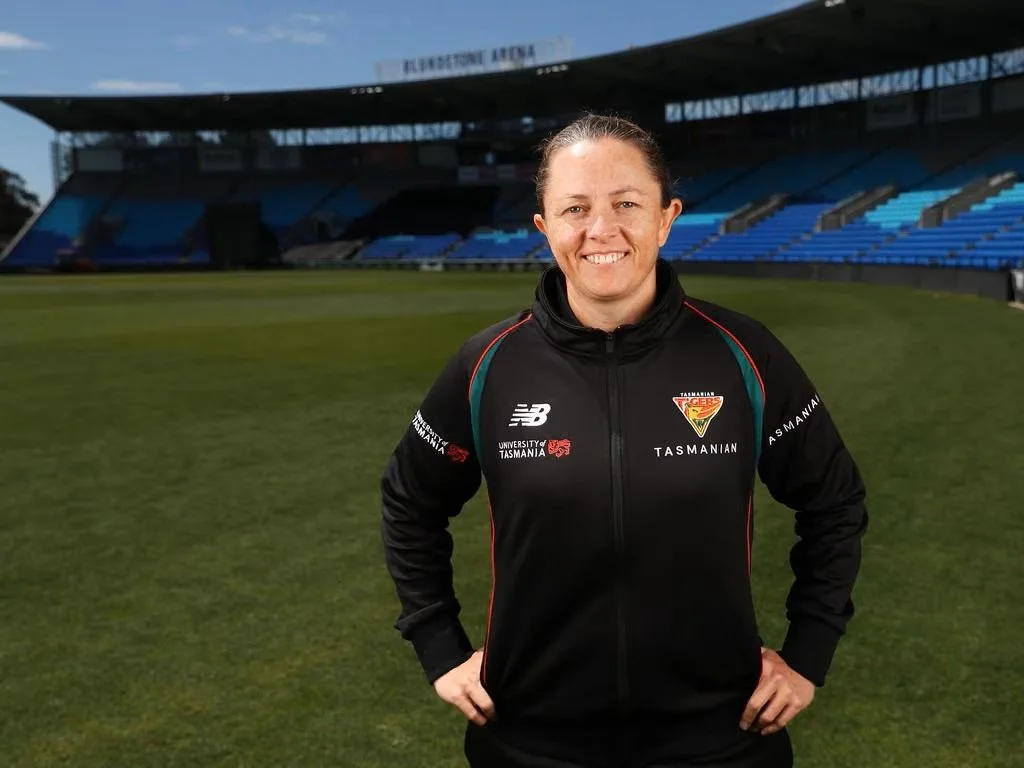
Jude Coleman believes it is vital in elite sport to create an environment where players feel safe to make mistakes.
Particularly in the women's game, she highlighted the importance of context. Players want to know: Why are we doing this? What is the purpose? How does this help us improve? That clarity builds trust. And that trust creates belonging. And in her words, belonging is everything. Because when players feel like they belong, they invest.
Andrew Gale reinforced a principle that came through repeatedly across the session: Without trust, nothing else works. Coaching has evolved. Gone are the days where instruction alone drives performance. Modern athletes expect connection, honesty, and understanding. And that starts with relationships. Knowing how individuals operate, what motivates them, and how they like to receive feedback.
Because as Andrew highlighted, coaching is no longer just about the player. It's about the person. And without that relationship, even the best technical feedback won't land. Trust is what allows honesty. And honesty is what drives improvement.
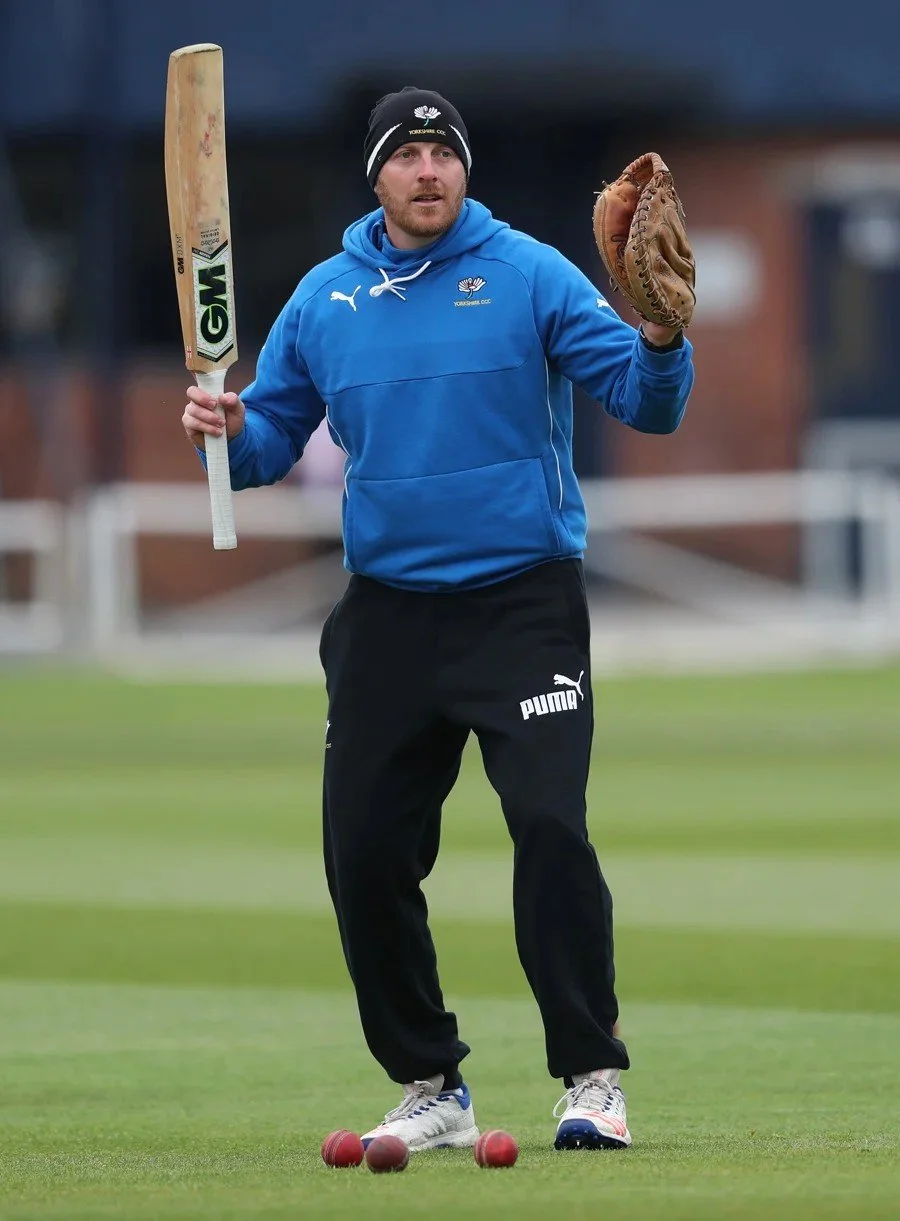
Andrew Gale said to the students that trust is what allows honesty.
Jeff Vaughan captured culture in one of the most simple but powerful ways. He described it as a couch. A space filled with cushions. A place where people feel comfortable, feel safe, and feel supported. A place where you celebrate success. But just as importantly, where you come together when things don't go well.
That couch represents the inner environment of a team. Because high performance environments aren't just about pushing people. They're about creating spaces where people feel safe enough to push themselves. That means support, care, clarity, and consistency. And when those things exist, people don't just perform. They thrive.
Across all three coaches, one message came through clearly. Failure is part of the game. Andrew Gale explained it through a simple example. Sachin Tendulkar; one of the greatest players of all time. Still only scored a hundred roughly once every four innings. Which means even the best failed more often than they succeeded.
That reframes everything. Because instead of chasing perfection, the focus shifts to resilience, consistency, and response. And this is where many players struggle. Andrew spoke about a common pattern. Young players experience early success. Then hit a rough patch. And many don't know how to respond.
That's where coaching becomes critical. Helping players stay grounded in success and stay consistent in failure. Because sustained performance isn't built on highs. It's built on how you handle the lows.
From a development perspective, Andrew Gale emphasised something often overlooked. Develop complete players. Not just specialists. Not players suited to one format. But cricketers who can adapt, understand the game, and rely on strong fundamentals. He highlighted the need to teach the basics, expose players to pressure, and recreate real game situations.
Because players don't learn through theory. They learn through experience. And the closer that experience is to real competition, the faster they develop. In Tasmania, where the talent pool is smaller, this becomes even more important. Spot talent early. Nurture it. Be patient. Because success doesn't happen overnight.
Another key insight across the three coaches was around feedback. Jeff Vaughan described it as "desensitising feedback". Making it normal. Making it part of everyday conversation. Because the more regularly feedback is given, the more open people become to receiving it.
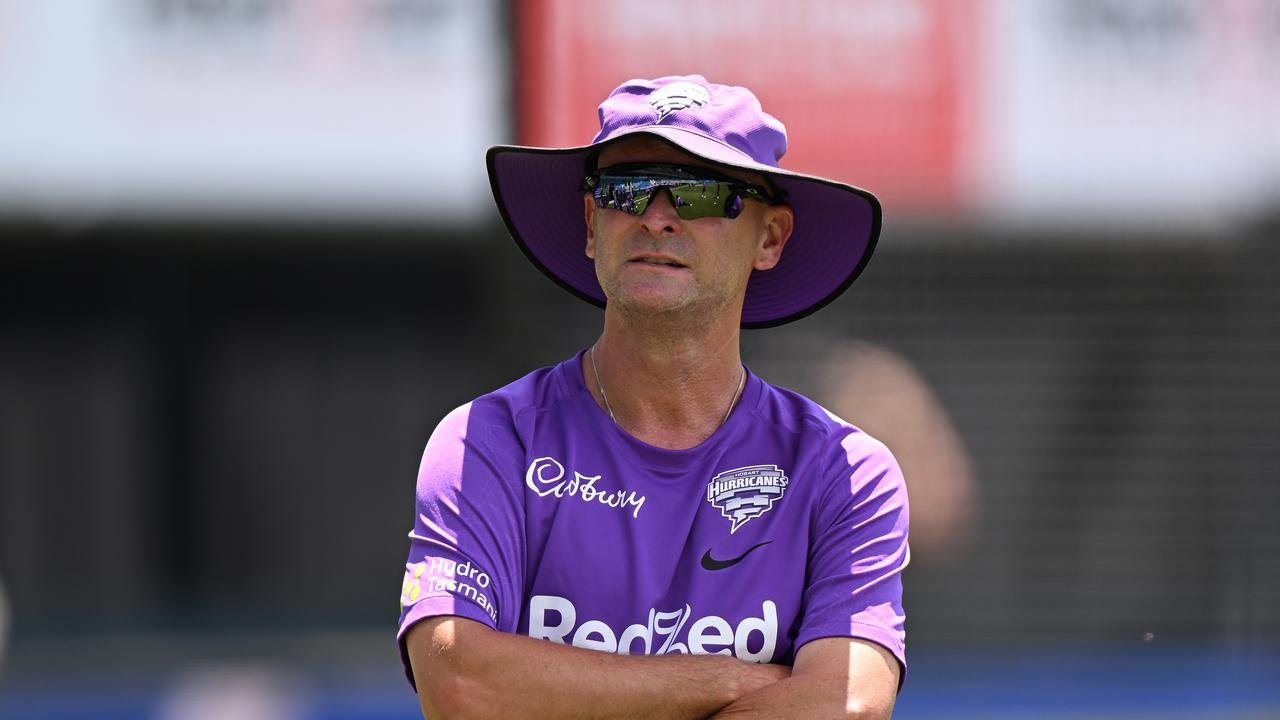
Jeff Vaughan believes that “desensitising feedback” is the key.
But intent matters. If feedback comes from a place of helping someone improve, it builds trust. If it doesn't, it breaks it. Andrew Gale reinforced that timing and delivery are just as important. Knowing when to give feedback, how to give it, and where it will be best received. Sometimes that means informal conversations, coffee catchups, or simply choosing the right moment. Because the best feedback isn't just heard. It's understood.
Modern cricket is becoming increasingly data driven. Both Andrew and Jeff acknowledged the value of data. It provides insight, structure, and direction. But it's not everything. Because not every player responds the same way. Some thrive on data. Others become overwhelmed by it. Which brings the responsibility back to the coach. Understand your group. Know when to use information. And know when to trust instinct. Because ultimately, players need to trust themselves.
Across pathways and high performance, one factor consistently separates players. Not talent. Not opportunity. Desire. Passion for the game. Willingness to work. Commitment over time. Because as Andrew Gale pointed out, pathway systems require patience. It can take years for players to earn contracts, build consistency, and establish themselves. And only those who maintain that drive continue forward.
Jeff Vaughan challenged another common assumption. That players peak early. Instead, he emphasised players don't reach their best until around their late 20s. And with the right mindset and preparation, careers can extend well into their 30s.
That changes how development should be viewed. Less focus on rushing. More focus on sustaining. Allowing players time to grow physically, mature mentally, and develop their game. Because long-term success is not built quickly. It's built consistently over time.
Beyond skill and performance, one theme stood out strongly: Character matters. Jeff Vaughan made it clear. If you're not a superstar, character becomes the difference. Respect for teammates, coaches, fans, and the game itself. And understanding something fundamental: Playing professional sport is a privilege. That attitude shapes how players train, compete, and represent their team. Because talent may open doors. But character determines how long they stay open.
There's also a reality to coaching that often goes unseen. Making decisions that impact people's lives. Not renewing contracts. Delivering difficult conversations. Managing expectations. These are the moments that define leadership. Because behind every decision is a person. And navigating that requires empathy, honesty, and strength.
When you listen to Jude Coleman, Andrew Gale, and Jeff Vaughan, a clear picture emerges. High performance environments are not built on performance alone. They are built on trust, relationships, honesty, and care. They are environments where people feel safe to fail, feedback is welcomed and belonging drives effort. And where success is not just measured by results, but by the people who grow within it.
Because at the highest level, talent alone is not enough. It is the environment around that talent that determines whether it thrives. And that is something all three are clearly building every single day.

Jude Coleman, Andrew Gale, and Jeff Vaughan are all currently working for Cricket Tasmania and striving to make Tasmanian cricket as successful as possible.