Guest Speaker: Jon Fletcher
By Alex Wilson
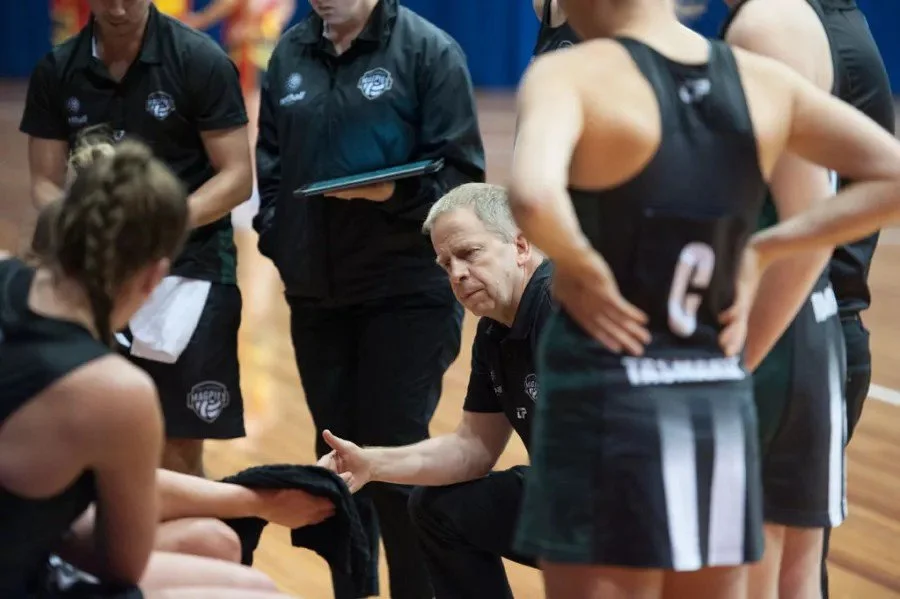
Jon Fletcher coaching his Australian netball league team during a timeout.
Energy matters. That was one of the first messages Jon Fletcher reinforced, and it stayed with the TALS cohort long after the session ended. If you don't bring energy and excitement to the people you're leading, Jon made clear, you are already creating an impact, and too often, that impact is negative.
People remember negativity far more easily than positivity. Leaders, whether they realise it or not, leave marks on people every single day. The challenge Jon put forward was simple but confronting: what sort of mark are you leaving?
Throughout his session, Jon returned again and again to the idea that leadership isn't complicated, but it is demanding. It isn't about titles or authority; it's about responsibility. If you are in a leadership position, even informally, you have the power to shape how people experience their day.
And that starts with two words that, according to Jon, are not used nearly enough by leaders: thank you. He spoke about the importance of genuinely acknowledging people, recognising the privilege of being able to lead, and the responsibility that comes with it. Saying thank you, not out of habit, but with intent. At the start of the day. At the end of the day. Letting people know they are valued, seen, and appreciated.
One exercise Jon asked the students to do captured his approach perfectly. He asked everyone to write down whatever came to mind for one minute, anything at all. His reasoning was simple: when people come into work or into a team environment, they rarely arrive mentally clear. There is noise, pressure, distraction, and personal baggage. If leaders want presence from others, they must first help create space for it.
Jon explained that he has used the same exercise in high-performance sporting environments before training. Clearing the head allows people to be present. And presence, he reminded us, is a leadership skill in itself.
A key idea Jon introduced was his concept of the three buses. The red bus has low trust with no desire to go anywhere. The yellow bus repeats yesterday and is safe, comfortable, static. The green bus aspires, looks forward, wants to grow and move.
Every team, Jon suggested, is on one of these buses. Leadership isn't just about setting direction; it's about helping people move onto the green bus. Aspiration doesn't happen by accident; it needs to be created.
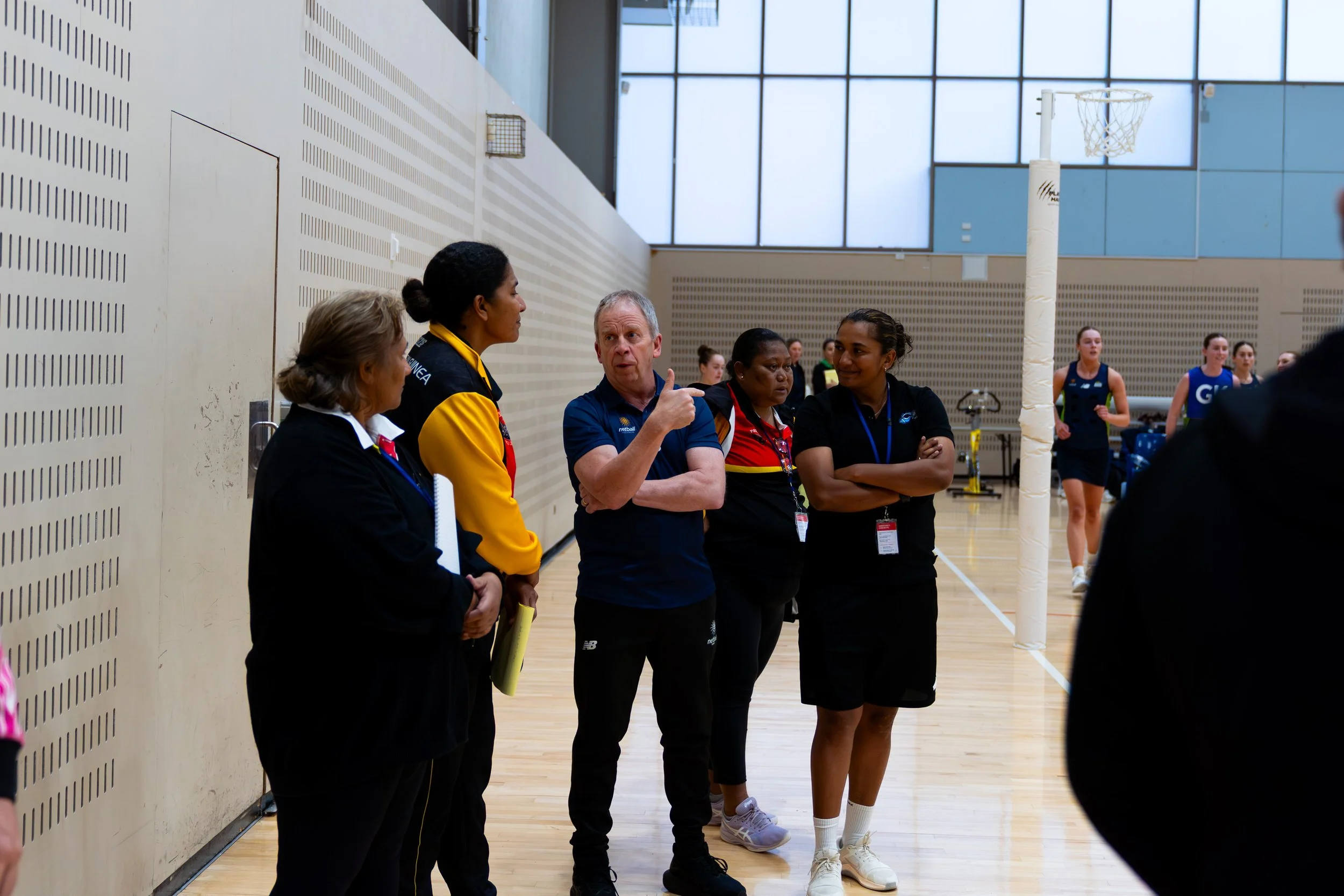
Jon Fletcher facilitated discussion and learning during sessions at the national U19 training camp.
This tied into another of Jon's strong beliefs: every day should be a good day. He clarified this carefully. There are exceptions; illness, injury, tragedy. But outside of those, leaders have a responsibility to create environments where people can have a good day at work, in a team, or in an organisation. That doesn't mean every day is easy or perfect. It means leaders are intentional about the experience people have.
Jon challenged the students to rethink a common question. Instead of asking, "Will I have a good day?", he encouraged leaders to ask, "How can I help my teammates have a good day?"
Sometimes that's saying hello. Sometimes it's hyping someone up. Sometimes it's simply noticing them. Small actions, consistently applied, shape culture.
Jon shared a principle he admires from the All Blacks, the "+1 rule". Athletes have their own responsibilities, their own craft to focus on. But they are also expected to do one extra thing each day that helps someone else be better. Leadership, Jon reinforced, is never about taking, it's about giving. "The more you give to other people," he explained, "the more you'll always have enough."
This theme ran through much of his session. Do good, and you will be good. Help others, and you help yourself. Leadership is a multiplier, not a spotlight.
Decision-making was another major focus. Jon reminded the students that leaders cannot avoid decisions. Whether conscious or unconscious, humans make tens of thousands each day. Every decision moves us forward or backward.
Jon narrowed this down to a simple equation: Choice + action = impact. If you don't make decisions, you make no impact. Leaders must be prepared to act, knowing they won't always get it right. In Jon's words, for every ten decisions, you'll probably only get seven right. The answer isn't avoidance; it's persistence.
He shared his own story honestly. Known as "Fletch" since he was five years old, his entry into netball didn't come through a carefully planned career pathway. It came from putting his hand up. He spoke about being told he was too young. Being told he wouldn't get roles because he was male. Being told no, many times.
But he kept having a go. Leadership, Jon argued, is difficult but not complex. It becomes hard the moment you're responsible for other people. Different personalities, needs, pressures. But strong personal values provide anchor points when leadership feels uncomfortable.
Jon returned often to the idea of selflessness. Leaders must give away credit and take responsibility when things go wrong. "You're not in charge," he said, "you're in charge of people." That distinction matters.
Culture, Jon explained, follows leadership, which drives behaviour, which produces outcomes. If leadership and culture are weak, even the strongest systems will underperform. And culture, at its core, is simply the behaviours we reward, or permit.
If poor behaviour is ignored, it becomes acceptable. If good behaviour goes unnoticed, it fades. Leaders, Jon emphasised, must not walk past what isn't right, but must also recognise what is right. Importantly, he reframed confrontation not as "calling people out", but as "calling people up", engaging, supporting, aligning. Connection comes before correction.
Trust was another thread woven throughout the talk. Jon described trust as invisible; something you only notice when it's broken. He broke trust down into three dimensions: competence, character, and connection. Like a bank account, trust is built slowly through consistent deposits and can be destroyed in a second.
Leaders, he said, must be approachable. Must welcome feedback. Must understand that feedback isn't positive or negative, it's simply feedback, delivered with intent to help someone improve. One line captured this perfectly: Leadership is not what you say, it's what you accept.
Jon finished by reminding the TALS cohort that leadership is a choice, not a position. Everyone has the capacity to influence a team. Strong teams don't rely on one leader, they are filled with people who lead themselves well, care about others, and are prepared to have a go.
"If you want to be a better leader," Jon said, "be a better person."
And perhaps the most powerful reminder of all: opportunity isn't a moment; it's a mindset.
Every moment is an opportunity.
Every person, a potential difference-maker.
Every day, a chance to lead better than yesterday.
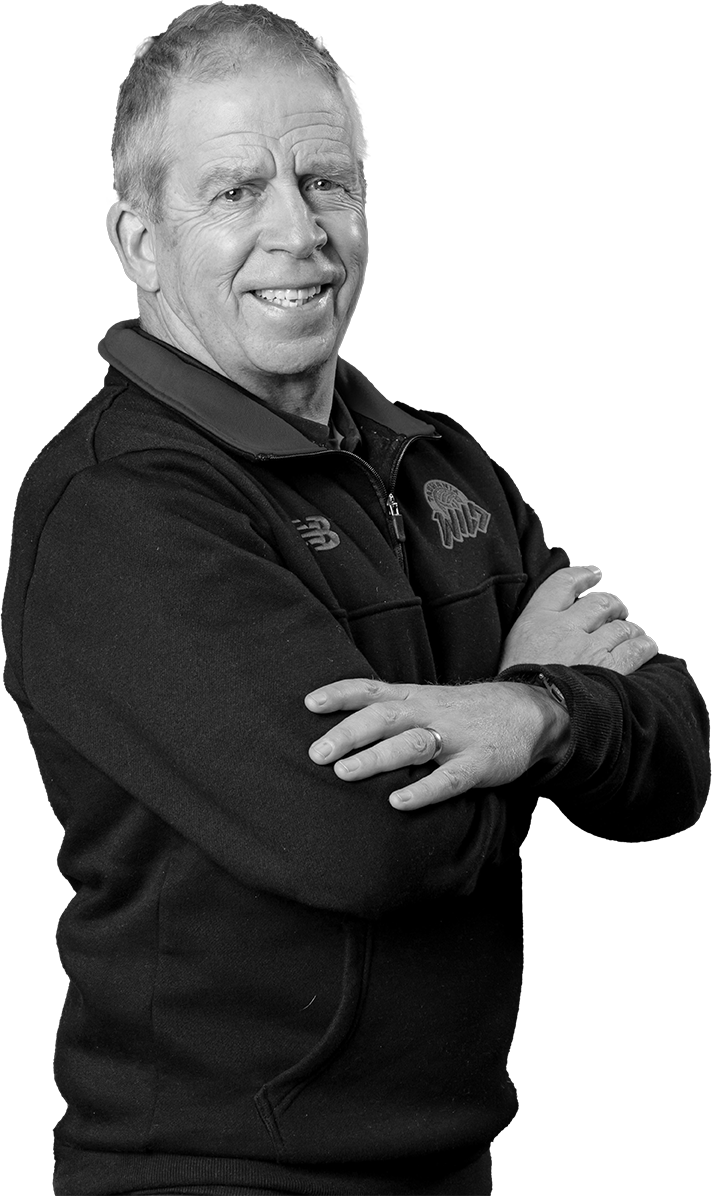
Fletch now works with a variety of different organisations across Australia, inspiring them with visionary mentorship and coaching.