Guest Speaker: Rob Mason
By Alex Wilson
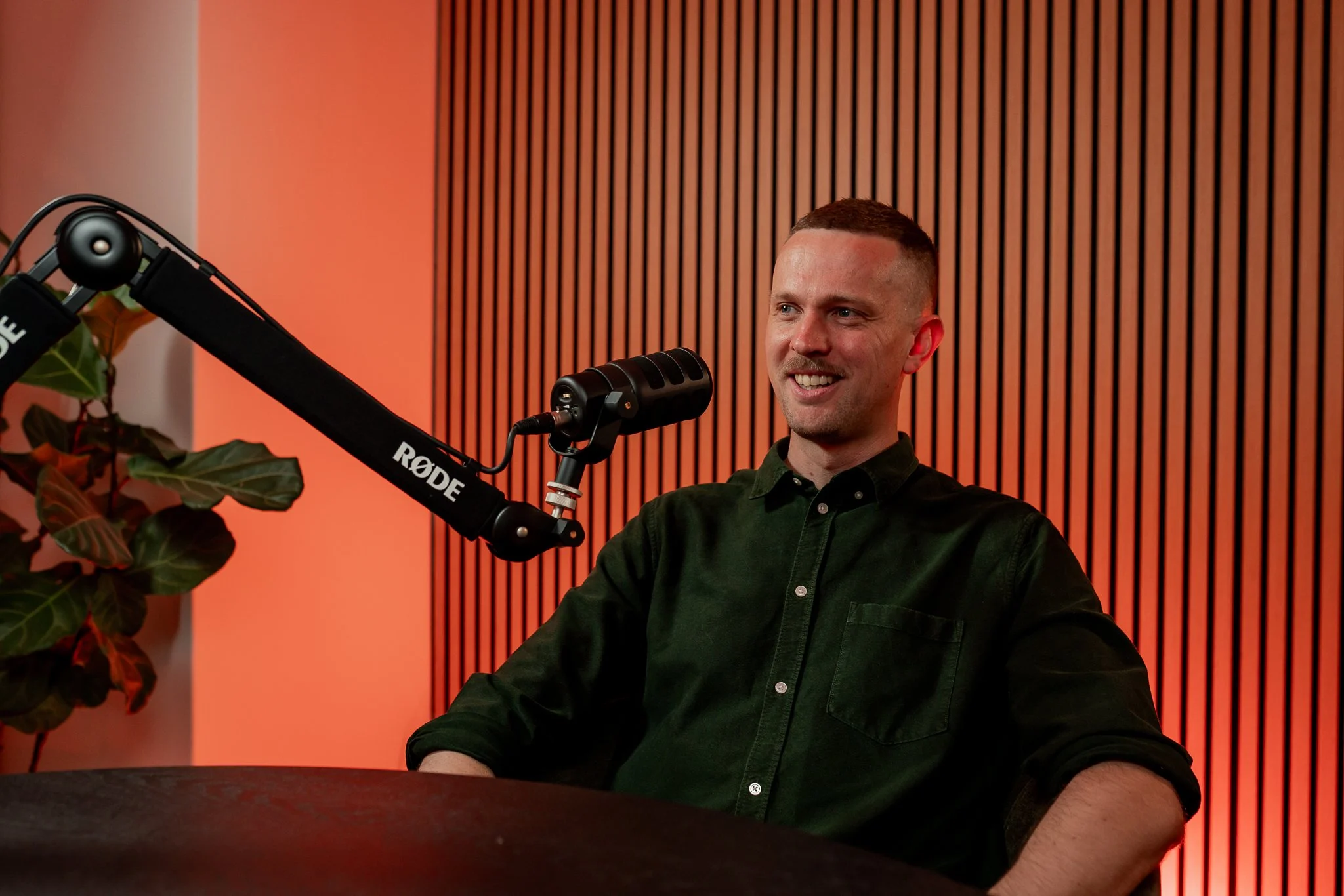
Dr. Rob Mason on ELEVATE PODCAST - Episode 6
Students at the Tasmania Academy of Leadership and Sport (TALS) recently had the opportunity to hear from Rob Mason, whose session offered a thoughtful and practical exploration of leadership, learning, and career development in high-performance environments.
Rob currently works as the Learning and Development Lead at the Tasmania Football Club, a role focused on supporting learning, leadership, and growth across the organisation. Prior to returning to Tasmania, Rob spent many years working in elite professional sport, most notably at Port Adelaide Football Club, where his work centred on coach development and helping leaders improve their practice in high-pressure environments. His experience has also extended beyond Australian rules football, with exposure to a range of sporting and organisational contexts, both nationally and internationally.
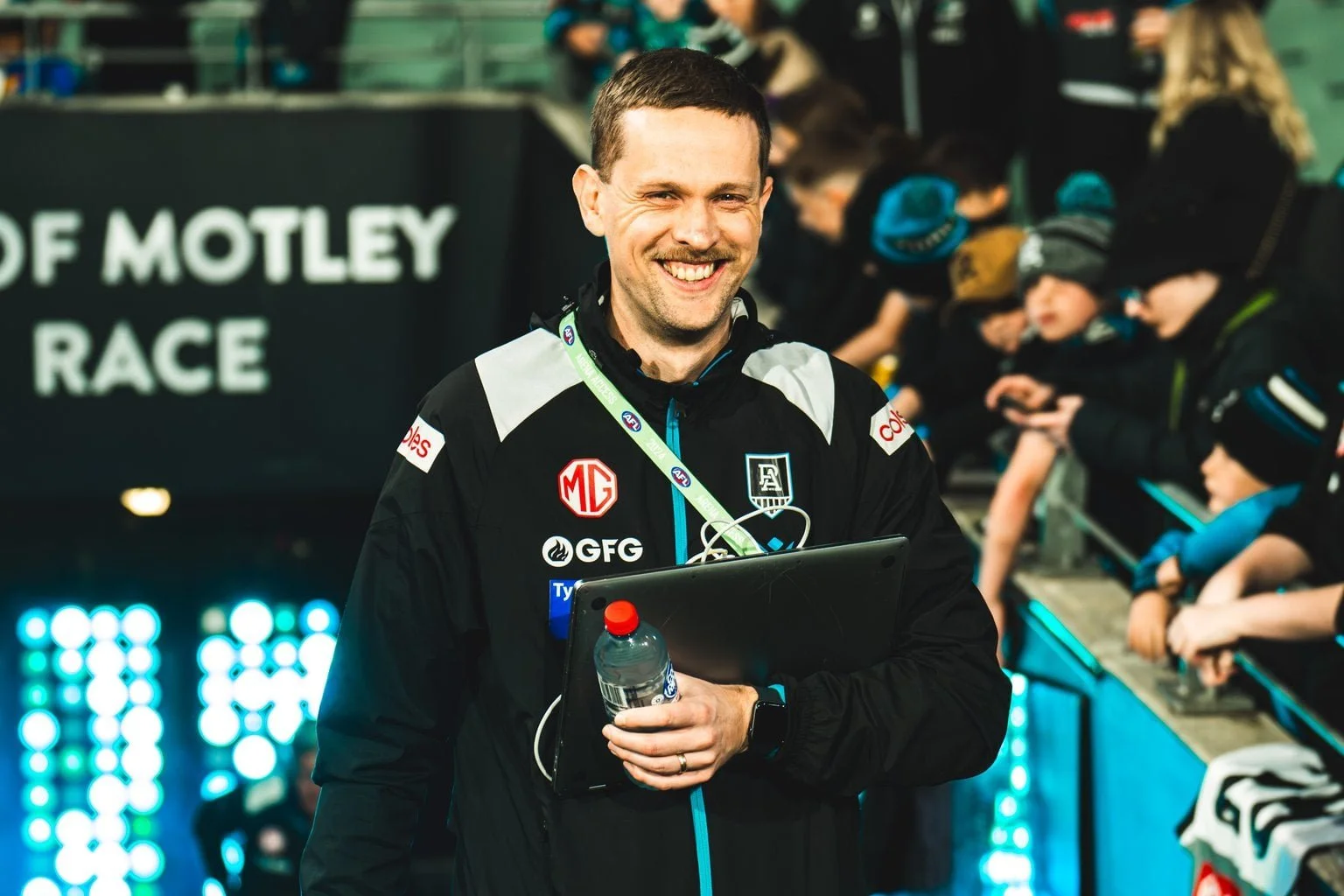
Mason helped develop Port Adelaide Football Club’s coaching staff for over 9 years
Rob began by challenging one of the most common assumptions students encounter when thinking about their future; the idea that careers follow a straight line.
Drawing on his own experience, Rob explained that there is no clear path from A to B. There are no right answers and no fixed directions. Career journeys are often shaped by experiences, opportunities, and decisions that only make sense when looked at in hindsight. For students, this message provided reassurance that uncertainty is not something to avoid, but something to work with.
Rob shared how winning environments can sometimes disguise deeper issues. Reflecting on his time working in elite sport, he noted that when teams are successful, everything can feel positive on the surface. However, he explained that the urgent need for on-field results often prevents the conditions required for meaningful learning and development from taking place.
A key focus of Rob’s session was coach and leader development. He emphasised that coaching and leadership are pressure-filled roles, influenced by performance expectations, scrutiny, and constant evaluation. In such environments, those who stop working on themselves quickly fall behind. Continuous improvement, Rob suggested, begins with one central question: how do you get better at what you are doing every single day?
Rob outlined three core elements that supported development in his work. The first was intention; understanding purpose and values. Leaders must be clear about what they stand for and how they want to operate, particularly when pressure increases throughout a season or project. The second was action. Rob spoke about the importance of development plans, observation, and professional growth, both formal and informal. He highlighted how learning doesn’t only happen through structured sessions, but also through ongoing conversations and reflection embedded into daily environments. The third element was feedback. Rather than waiting for formal reviews, Rob explained the value of regular “pulse checks”; small, timely moments of feedback that help people stay aligned and aware. These moments allow individuals to reflect and adjust before issues become a habit and difficult to change.
Using examples from his experience, Rob described how he supported coaches by observing communication during training and games. His role often involved listening rather than speaking, noting patterns in language, tone, and the type of feedback being delivered. These observations were later shared with coaches to create awareness, not judgement. Rob noted that while this feedback was not always easy to hear, it proved valuable in helping coaches reflect on their practice.
Rob also encouraged students to look beyond their immediate field. He highlighted the risks of environments becoming closed, explaining that when everyone shares the same background, learning can stagnate. Drawing on experiences across different organisations and sports, he reinforced the importance of seeking ideas from outside familiar systems to inspire growth and innovation.
Throughout the session, Rob continually returned to the idea that development is driven more by people than by tactics. While strategy and systems matter, he suggested that motivation, shared purpose, and connection often have a greater impact on performance. People are more willing to learn and grow when they feel part of something meaningful.
Rob shared practical examples of how learning can be embedded in everyday environments. From simple professional reading groups to social learning activities that place leaders back into a learner’s mindset, he emphasised that improvement does not require complex solutions. Often, it requires curiosity, consistency, and a willingness to be uncomfortable.
One of the most resonant ideas Rob shared was captured in a Māori proverb he returned to repeatedly: “He tangata, he tangata, he tangata”, meaning “it is people, it is people, it is people.” Rob explained that even when the right systems and processes are in place, performance begins to break down without strong relationships. Building trust, treating others well, and investing in connection underpin everything else.
To conclude, Rob offered students clear and encouraging advice. He reminded them that it is never too late to learn, adjust direction, or pursue growth. Formal qualifications matter, but informal learning is equally important. Those who remain curious, hungry to improve, and respectful of the people around them place themselves in the strongest position to adapt to changing environments.
Rob Mason’s session provided TALS students with valuable insight into leadership as a reflective and people-centred practice. His message reinforced that high performance and personal development are not competing priorities, but deeply connected, and that meaningful careers are built one learning moment at a time.
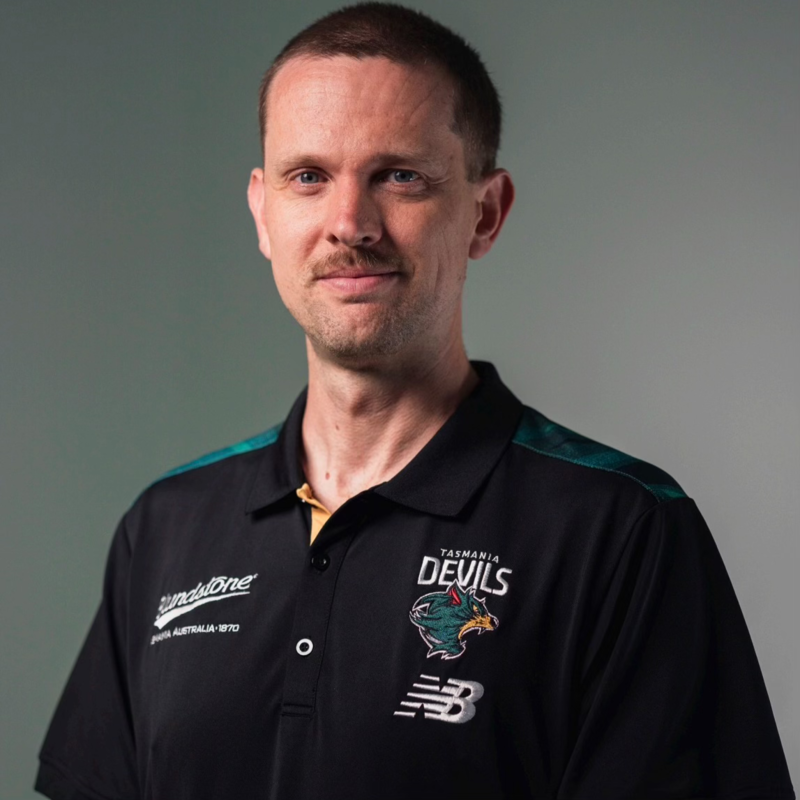
Mason now works at Tasmania Football Club as a Learning Development Lead inspiring the next generation of sports administrators in Tasmania