Guest Speaker: Jodie Clifford
By Alex Wilson
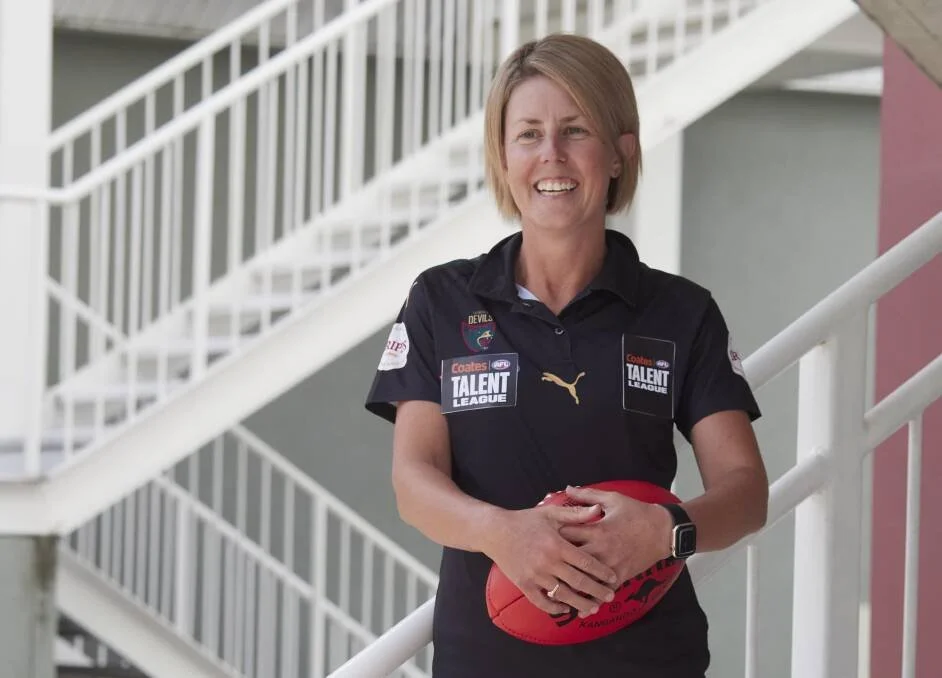
Jodie Clifford believes that no matter how talented people are individually, if they don’t connect with their teammates then the team won’t succeed.
Progress doesn't always happen in big moments. Sometimes it happens quietly. In small environments. With small numbers. Before anyone is really paying attention. And then one day, you look up, and everything has changed. For Jodie Clifford, the growth of women's football in Tasmania isn't something she talks about from a distance. It's something she has lived.
Students at the Tasmania Academy of Leadership and Sport (TALS) recently had the opportunity to hear her journey.
Her journey in football didn't begin early. Not in a structured way. Not with a clear pathway.
She grew up just north of Launceston, like many in Tasmania, around sport. Kicking the footy at school. Playing for fun. Being involved because it was there. But not because there was an obvious future in it.
At the time, opportunities for girls in football were limited. So like many others, she found another way to stay involved in sport. She played soccer. For five years. Not because it was her first preference. But because it was an option. That context matters. Because it shapes how she sees the game now.
Jodie only started playing competitive football in 2018. Not as a junior. Not as part of a long-established system. But at a point where women's football in Tasmania was still building. Still finding its feet. Still trying to create its own identity.
Her playing career might only span eight years, but what stands out isn't length. It's impact. She played. She led. She captained. But more than anything, she connected people.
When she moved into coaching and working within AFL Tasmania, she entered an environment where she was often one of the few women in the room. But she didn't see that as a barrier. She saw it as an opportunity.
She was surrounded by people who had been in the game for decades. Coaches with deep tactical knowledge. People who understood systems, structures, and strategy.
And she learned from all of it. But she also recognised something important. What she brought was different. Her strength wasn't just tactical. It was relational. "How do I bring people together?" Because no matter how talented individuals are, if they don't connect, they don't succeed. That belief now sits at the centre of everything she does.
Her coaching philosophy is built on something simple. Connection before perfection. She doesn't yell. She doesn't coach through fear. She focuses on understanding, communication, and belief. Helping players understand what they're doing, why it matters, and how it connects to their strengths. Because when players believe in what they're doing, performance follows.
Her approach adapts. When things are going well, she leans into humour. Keeps the environment light. Maintains enjoyment. When things aren't going well, she returns to fundamentals. Focuses on strengths. Rebuilds belief.
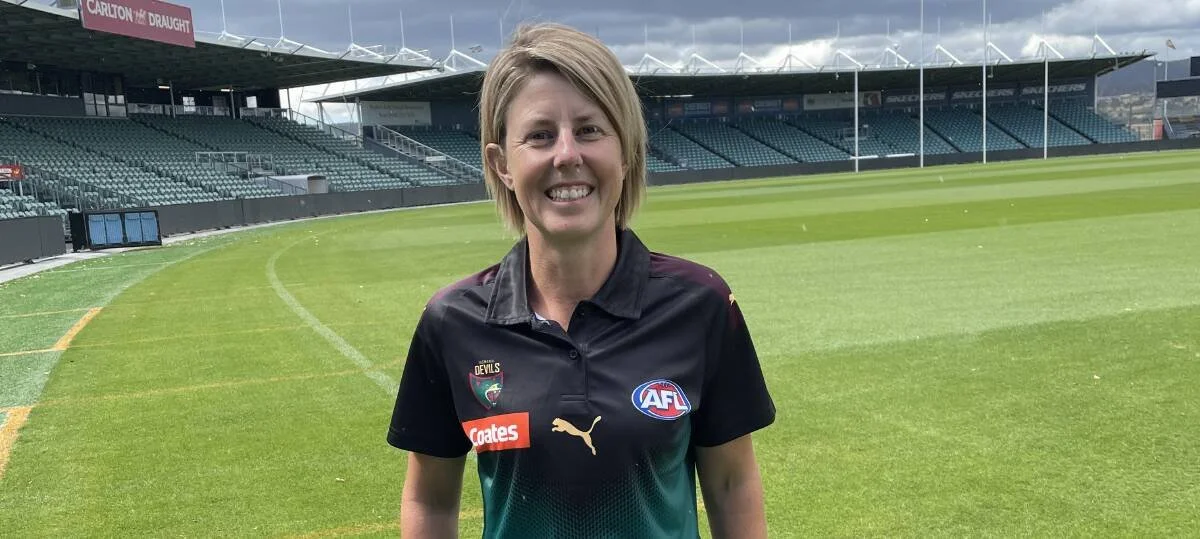
Jodie Clifford believes that one of the most important skills to develop as a coach is the ability to adapt to different scenarios under pressure.
That ability to adjust isn't accidental. It's intentional. Because coaching isn't static. It's situational.
One moment she reflects on captures that mindset perfectly. Coaching at George Town. Going into an elimination final against a team that had beaten them all year. They had no bench. Only sixteen players. And still, they found a way. They won. "Why not us?" That question matters. Because it changes limitation. It challenges expectation. And it creates belief.
It didn't matter that they lost the following week. That moment stood for something bigger. What belief can do.
Through coaching, she's seen something that's hard to explain from the outside. What the game means to people. Players crying long after games. Moments that stay with them. Because football isn't just a game. It's connection, identity, and belonging. Winning matters. But it's not everything. People stay because of how it makes them feel.
One of the most powerful parts of Jodie's story is the change she has witnessed. When she first entered the Tasmanian pathway system in 2018 there was no Under 18 girls' team, only a small group of senior players, and limited opportunities. Fast forward eight years. Now there are Under 12 pathways, Under 16 teams, Under 18 competitions, VFL Women's representation.
That growth is significant. Not just in numbers. But in possibility. Because now, young girls growing up in Tasmania see something different. A pathway. A future. A choice. And for Jodie, that's personal. As a parent, knowing her daughter can choose to play football, and has a genuine pathway to follow, is something she takes pride in.
Her work extends beyond teams and results. It's about creating environments where people want to stay. Where players feel supported, relationships are strong, and experiences are positive. Because the reality is simple. If people don't enjoy it, they won't stay.
That's why she emphasises something often overlooked. Fun. No matter the level, enjoyment matters. Ending sessions on a positive note. Creating variety. Ensuring players enjoy coming back. Because those small decisions shape long-term engagement.
Outside of sport, Jodie works as an assistant principal. Another environment built around people. Development. Growth. And that connection is clear. Whether in a classroom or on the field, the principles are the same. Support people. Understand them. Help them grow. It's leadership that goes beyond results.
With growth comes responsibility. Women's football is expanding. But it's still catching up in areas. Jodie speaks openly about the challenges. Crowds leaving after men's games before the women's begin. Recognition not always equal. Opportunities still developing.
But the response isn't frustration. It's action. Encouraging people to stay. Promoting visibility. Creating role models. Building stronger environments. Because change doesn't happen automatically. It happens through consistent effort.
Jodie Clifford's story isn't about a long playing career. It's about impact. Impact on players, pathways, and the future of the game. It shows that leadership doesn't always come from playing at the highest level. Sometimes it comes from understanding people, creating connection, and building something others can be part of.
Because the growth of women's football in Tasmania didn't just happen. It was built. And people like Jodie Clifford are a big part of why it continues to grow.
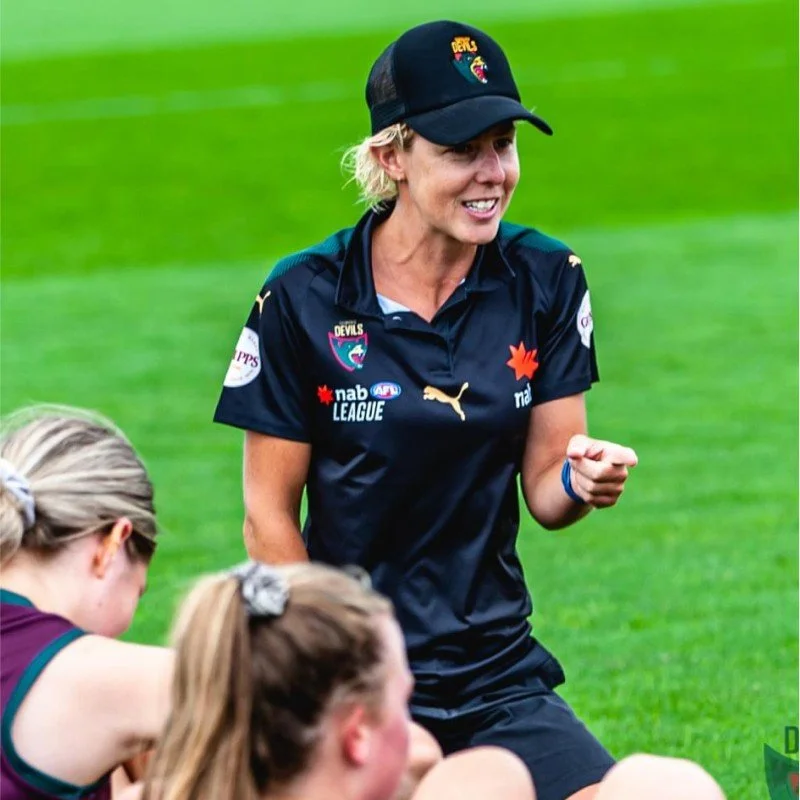
Jodie Clifford has played a significant role in the growth of women’s football in Tasmania.