Guest Speaker: Alistair Addison
By Alex Wilson
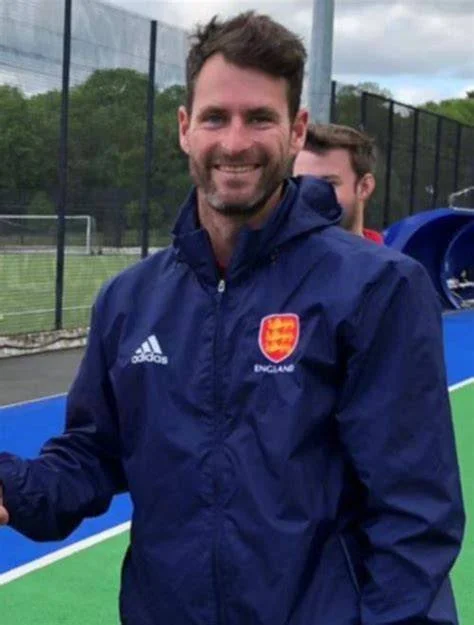
Alistair Addison has coached in a variety of different sporting industries and organisations around the world.
Alistair Addison, Head of High-Performance Coach Development at Cricket Tasmania, describes his role simply as "coaching the coaches." Recently at the Tasmania Academy of Leadership and Sport, the students were fortunate enough to hear from him. Listening to his journey and reflecting on his perspective made it clear to the TALS cohort that his work is less about systems and far more about people, learning, and time.
Alistair didn't follow a neat or predictable pathway into high performance sport. He didn't secure his first full-time role until he was 27, and by that point he had already lived in several different countries. When he was younger, he played hockey overseas, and from the outside it looked like he was doing something meaningful. In reality, he often had no idea what he wanted to do next.
Coaching was always around him. His dad coached hockey, and Alistair found himself coaching as well, sometimes intentionally and sometimes simply because the opportunity was there. At times it felt like something he was doing "for now," not something that would become a long-term career. One of his early coaching experiences was at Radley College in England in 2005, an elite school where families were paying what would equate to around ninety thousand Australian dollars for education. Coaching in that environment exposed him to a very different world but also showed him how learning environments shape people far beyond sport.
After returning to Australia, he continued coaching before spending time in both England and Ireland. Eventually, he decided he needed what he called a "real job" and went to university, while still coaching on the side. That decision led to a recommendation to Durham University in the UK. Within ten days, he went from working behind a desk at MyState Bank to coaching full-time at Durham.
Sitting on the plane on the way over, he remembers the voice in his head asking, "What are you doing, mate?" That uncertainty didn't disappear once he arrived. The workload was intense. He was working eighty to one hundred hours a week, had six days off across roughly eight months, and was completely immersed in the environment. It was exhausting, but it shaped how he understood commitment, learning, and high-performance systems.
From there, Alistair went on to coach at elite levels with both boys and girls in England, worked within the Western Australia Institute of Sport, and continued building experience across different sports and countries. What stood out most was not the number of roles he held, but how deliberately he approached learning. He made a conscious decision that if he wanted to work in coach development, he needed to know as much as possible. He reached out to people around the world, asking for conversations, connections, and honest reflections. He interviewed countless coaches, not to copy them, but to understand what they had learned.
One lesson consistently came through: if you don't have a relationship with someone, you can't help them. Coach development starts with trust. Without trust, no framework, feedback model, or development plan will ever land.
Now in his role at Cricket Tasmania, Alistair believes development shouldn't only happen when he's present. If learning only occurs when he's in the room, he sees that as a failure of his role. Development should be happening all the time. With each coach, he focuses on what they want to achieve over the next twelve months, not just what needs fixing right now. He brings coaches together several times a year to learn collectively, share experiences, and understand how others are improving. Learning together, he believes, is critical.
A major shift in his own journey has been improving his ability to truly listen. Not just hearing words but understanding what someone is actually trying to say. Listening better has made him more effective in helping others grow. One quote he shared that resonated deeply with students was, "When the student is ready, the teacher will appear." Sometimes you can plant a seed and not see any result for eighteen months. Learning isn't linear. It's complex, messy, and often slow.
Alistair is clear that his role isn't to tell people how to coach cricket. Coaching is deeply personal for many people. It's not just something they do; it's part of who they are. His focus is on helping coaches understand how they communicate, how they create environments, and whether they are allowing others to be their best. Authenticity matters. Athletes and coaches see through anything that isn't real. You need to know your own coaching style and be yourself.
Earlier in his career, Alistair never imagined coaching would be a long-term path. He assumed he would do it for a few years and move on. Over time, he realised that careers evolve. The job you want right now might not exist yet, but it probably will. The sports industry is constantly changing, becoming more competitive and more sophisticated. What it looks like today will almost certainly be different in ten years.
One consistent theme in his advice was saying yes to opportunities. Not recklessly, but intentionally. Opportunities don't appear by accident. They often come because you've thought about what you want, reached out to someone, or put yourself in a position to be seen. Timing in coaching is never perfect, but when the right opportunity comes, you're either prepared to take it or you're not.
What matters most to Alistair now is living a full life. Filling your life with things you love, and people you love doing those things with, makes decisions clearer. Intention matters. Where intention goes, energy flows. You can't be what you can't see, so go and see it. Be curious.
Reputation, he said, is currency. Being known as someone who puts themselves out there and does a good job matters more than quick money. Reputation compounds over time and repays you in ways you can't predict. Many of the lessons he learned came the hard way, but they shaped how he now measures success.
In coach development, the further you move away from directly working with athletes, the harder it is to see immediate impact. That reality has taught him patience. Success, for him, is looking back ten months and asking where his coaches were then, and where they are now. Growth doesn't look the same for everyone. He has a different relationship with every coach he works with, and he doesn't want to be a gatekeeper of development. Learning should always be happening.
Alistair believes strong leaders balance conviction with curiosity. You need to believe in what you're doing, but you also need to remain curious about who is doing things differently and why. That balance is where growth lives.
Hearing Alistair Addison speak was a reminder to students that high performance isn't built through shortcuts or certainty. It's built through relationships, patience, curiosity, and a willingness to keep learning long after you think you should have figured it out.
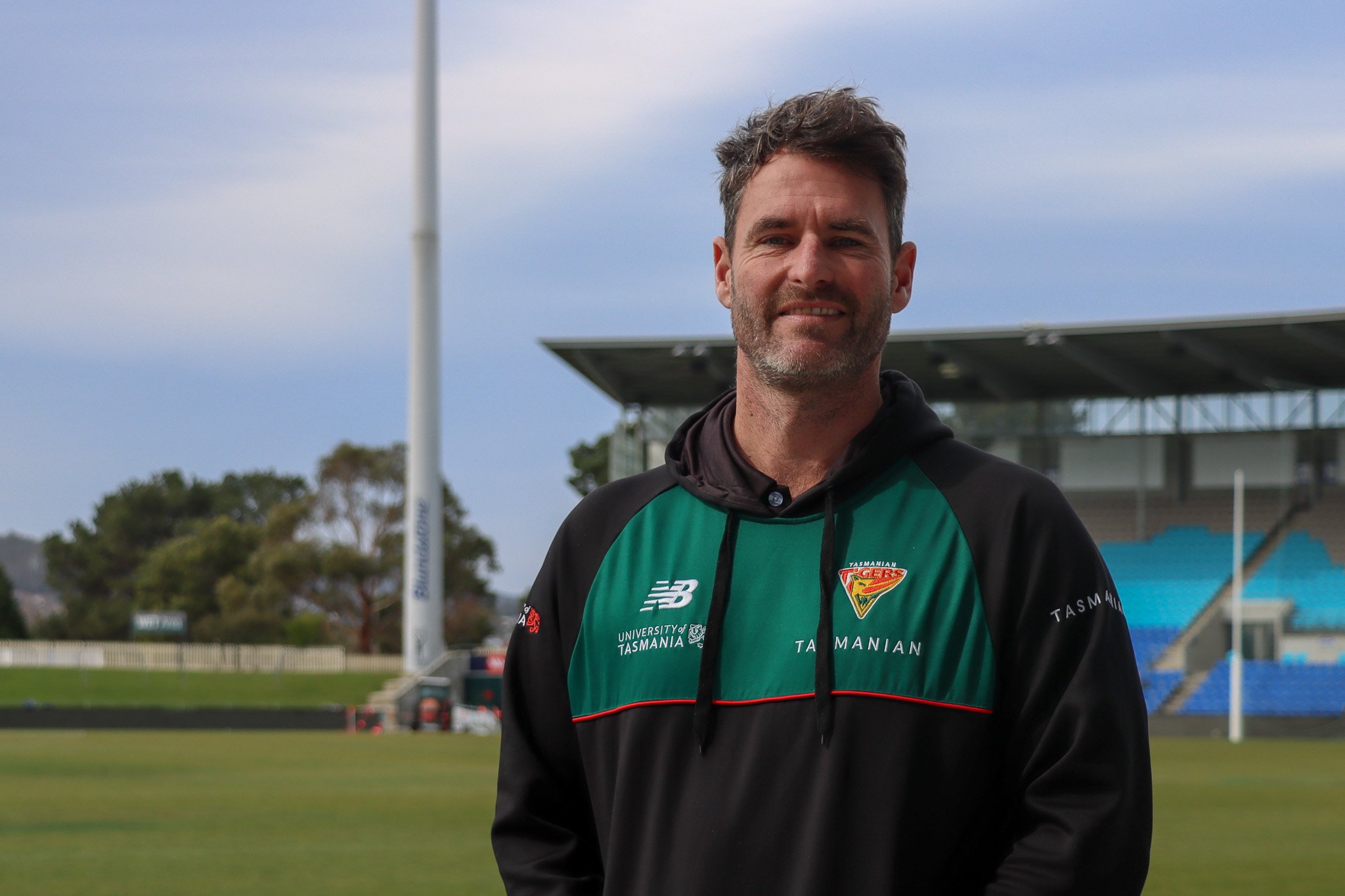
Alistair Addison now works on the High Performance staff at Cricket Tasmania as the Head of Coach Development.