Guest Speaker: Donna Price, Pippa Temperley, and Lewis Fitter
By Alex Wilson
From the outside, sport often looks like a performance industry. Fans see packed stadiums. Athletes see results. Clubs see memberships, sponsorships and attendance figures. But underneath all of that sits something much more important. People.
Recently, the students at the Tasmania Academy of Leadership and Sport had the opportunity to hear from Donna Price, Pippa Temperley and Lewis Fitter, three professionals working across very different parts of the sporting industry. One works in leadership and organisational culture. One focuses on athlete wellbeing. One helps create match-day experiences for thousands of fans. Despite those different roles, their message was remarkably similar. The most successful sporting organisations are built around people.
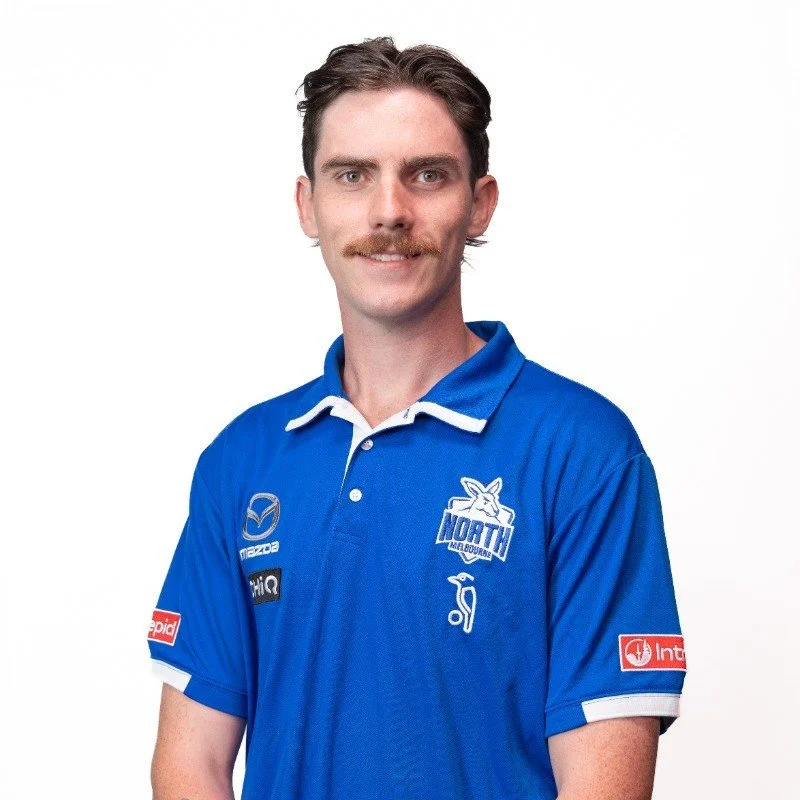
Lewis Fitter believes that in professional sport every second matters.
For Lewis Fitter, that reality plays out every game day. Sport has become far more than what happens between the sirens. Supporters arrive expecting an experience. There are activations, entertainment, music, sponsors, broadcasting requirements and countless logistical considerations that all need to come together at exactly the right moment.
"Every second matters," he explained. There is very little room for error. With so many moving parts and stakeholders involved, communication becomes critical. Different venues have different capabilities. Different fan bases have different expectations. Even small delays can create challenges that require immediate adjustment.
Yet despite all the planning, systems and operational complexity, the role ultimately comes back to people. Relationships with suppliers. Relationships with staff. Relationships with stakeholders. Relationships with fans. "The role is challenging, but it's incredibly rewarding," he said.

Pippa Temperley provided insight into how wellbeing has become an incredibly important part of modern sport.
For Pippa Temperley, the focus is on helping athletes navigate a completely different set of challenges. While performance remains important, wellbeing has become an increasingly significant part of modern sport. Athletes are no longer seen simply through the lens of performance. They are students, employees, family members and people trying to navigate life at the same time as pursuing sporting ambitions.
The challenge is helping them balance those competing demands. How do they manage school? How do they manage work? How do they manage the pressures that come with competition? How do they ask for help when they need it?
Temperley believes the industry has made significant progress in recent years. Rather than viewing wellbeing as something separate from performance, many organisations now understand that supporting people properly helps them perform better. "It isn't instead of football, it's for football," she explained.
That shift has helped create environments where wellbeing is everybody's responsibility rather than the responsibility of a single department. Preventive support. Open conversations. Education. Relationships. All of it contributes to healthier environments.
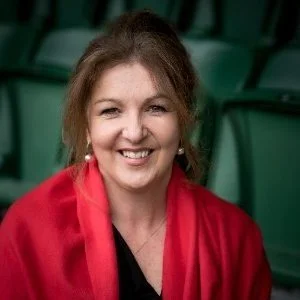
Donna Price believes that culture is built through behaviours.
Donna Price approached the conversation from a leadership and culture perspective. For her, the health of a culture often reveals itself quickly. The first day. The first week. The way people are welcomed. The way they are introduced. The way they are made to feel. Those moments tell people a great deal about an organisation before they ever fully understand their role.
Price believes culture isn't built through slogans or mission statements. It's built through behaviours. The best leaders she has worked with all share similar qualities. They put others before themselves. They genuinely listen. They make time for people. And perhaps most importantly, they are present.
People know when someone genuinely cares. They know when someone remembers their family. They know when someone takes the time to ask meaningful questions. And they know when someone is simply going through the motions. "The best leaders I've seen put others before self," she said. "People know when you really care."
While each speaker brought different experiences and perspectives, there were several themes that appeared repeatedly throughout the discussion. Relationships. Communication. Trust. Presence. Compassion. Curiosity. These are often described as soft skills. Yet listening to their experiences, they feel more like essential skills.
Whether coordinating a major sporting event, supporting athlete wellbeing or shaping organisational culture, success consistently came back to how people interacted with one another.
Price reinforced this point when discussing careers in sport. If you want to work in the industry, she believes one thing matters more than most people realise. Relationships. "Everyone knows each other," she said. "You need to invest the time." Temperley echoed a similar message through her work with athletes, where trust and genuine connection create opportunities for meaningful conversations. Fitter described the importance of building strong relationships with everyone involved in delivering a game day experience. Different role. Same principle.
Another theme that emerged was adaptability. No two days look the same. No two athletes face identical challenges. No two sporting events are exactly alike.
The sports industry continues to evolve rapidly, whether through technology, growing expectations around wellbeing or changing fan experiences. Artificial intelligence, for example, is beginning to influence decision-making in ways that would have seemed impossible a decade ago.
Yet despite all of these changes, one thing appears unlikely to disappear. The importance of human connection. Technology can provide information. Systems can improve efficiency. Data can guide decisions. But relationships remain at the centre of great organisations.
Perhaps that was the biggest takeaway for the students at TALS from hearing from all three speakers. Great sporting organisations are not ultimately built through facilities, technology or even performance. They are built through people. People who communicate. People who support one another. People who lead with integrity. People who create environments where others feel valued.
Because while the sporting industry continues to evolve, the organisations that thrive will likely be the ones that never lose sight of what matters most. The people at the centre of it all.